Book Talk: What I Read in March 2026
Okay, it’s been a month. Not sure if anyone’s noticed, we had a plugin compatibility issue which lead to the site being down for a bit. I didn’t realise this until today when I started putting together the April book reviews blog post and well…discovered that my site was down. Not the best feeling in the world, but I got it sorted over the weekend which meant that I didn’t get a chance to publish this blog post until today.
I know. I should be on top of this stuff. I’ve installed a plugin that’ll send me an email whenever the site’s down. I’m a bit upset about it because we did just have the March Google Update but I’m going to talk about that in an SEO blog post later this week (for those who’re into that stuff).
For now, let’s look at last month’s reading list.
March Breakdown: Book Recommendations
I joined a book influencer team over on Instagram! They’re called Whimsy Words PR (do check them out) which means that I will now have more advanced reading copies available for me to read and review from now onwards!
Really exciting stuff—in fact, I’ve actually had multiple writers reach out to me for ARCs including a book that I read earlier in March which went live on Thursday. We’ll talk about that in a moment.
As usual, you can view my March reading list on Goodreads and basically, see what I’ve been up to. I’m still not great at updating my Goodreads. I believe I updated my March list on Sunday which is bad because the point was for me to update it as I go. I’m hoping with all these ARCs I’m getting, I’ll get into the habit of actually doing that. We’ll see. There’s a learning curve here which I should’ve gotten a hang off by now but oh well.
Anyway, here’s what I read in March:
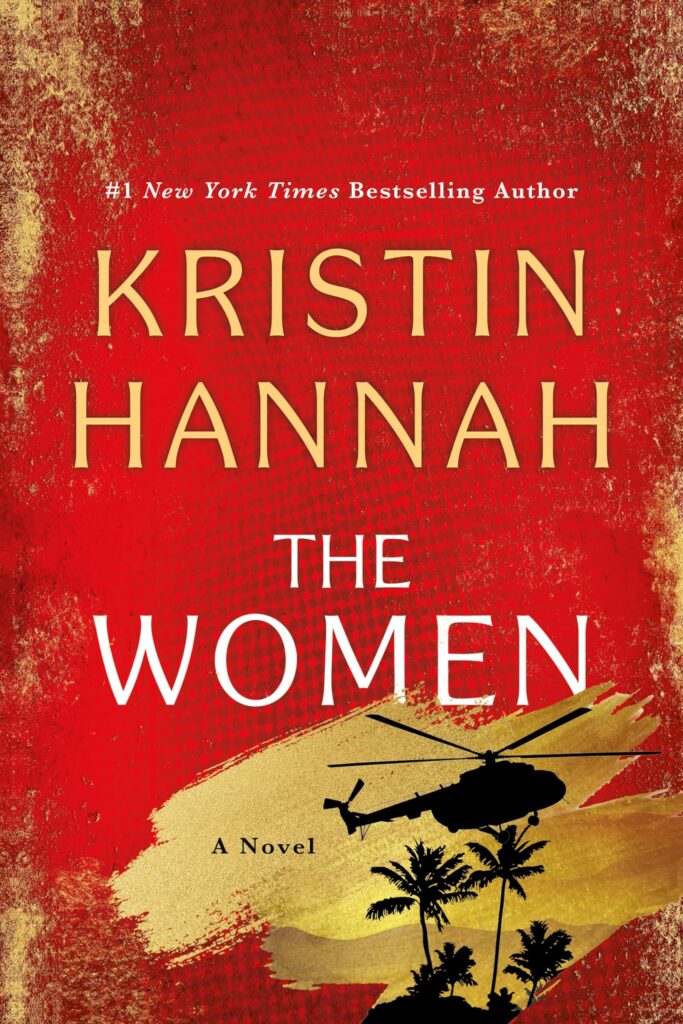
- The Women by Kristin Hannah
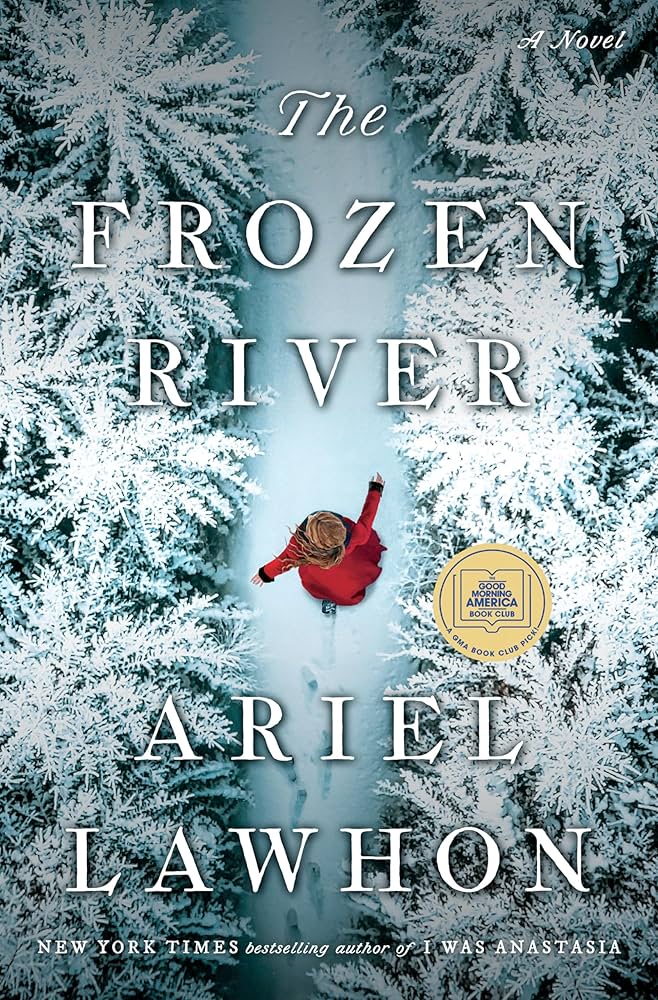
- The Frozen River by Ariel Lawhon
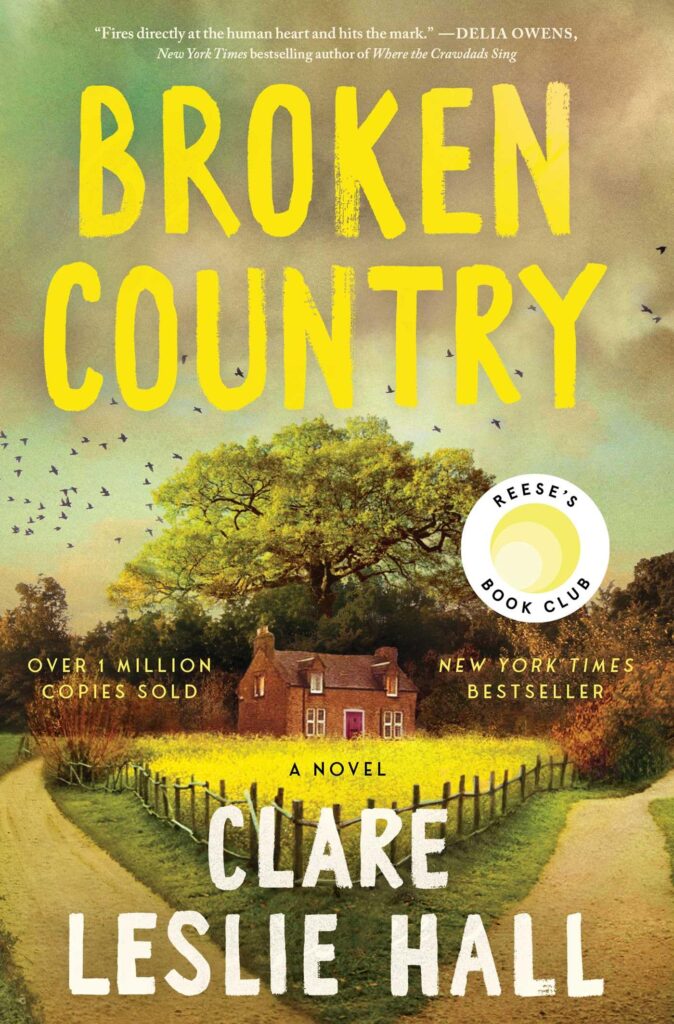
- Broken Country by Clare Leslie Hall
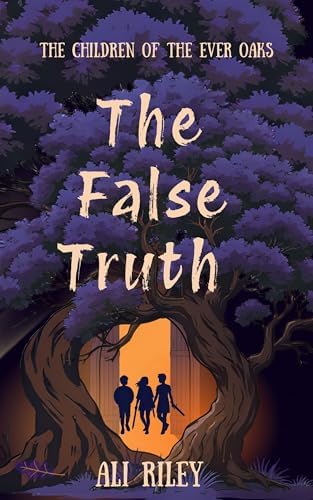
- The False Truth by Ali Riley
- The River Is Waiting by Wally Lamb
- Land of Dreams by Gian Sardar
- Buckeye by Patrick Ryan
- The House in the Cerulean Sea by T.J. Klune
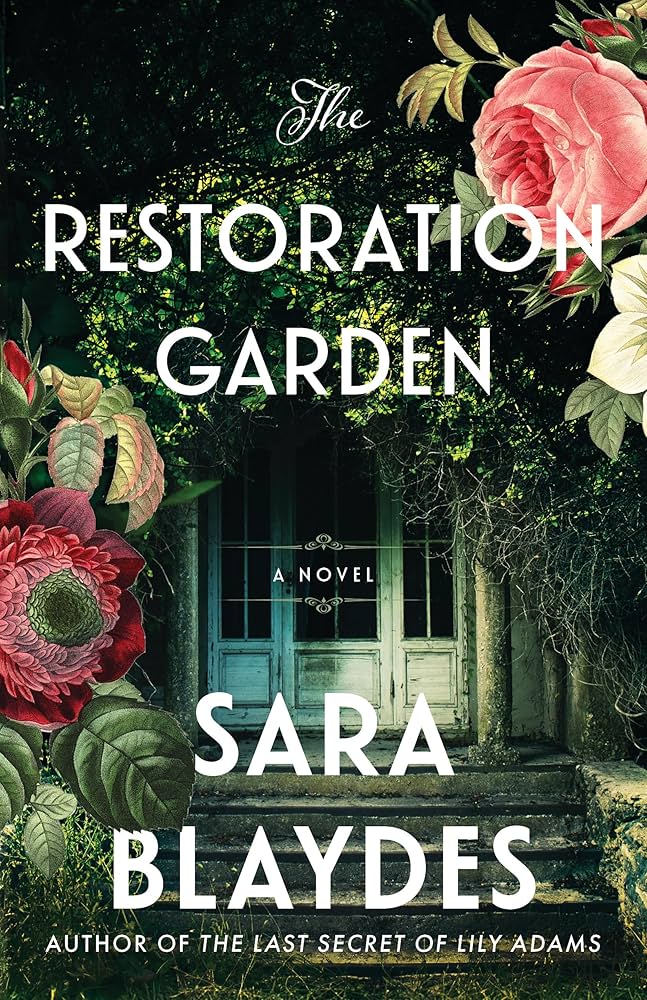
- The Restoration Garden by Sara Blaydes
Book 1: The Women
- Author: Kristin Hannah
- Genre: Historical Fiction
Why I Picked It Up
Goodreads seems to have figured out what kind of books I’m into. This came under my recommendations when I was creating my February reading list under The Road to Tender Hearts. And I was curious. Especially since I could order the physical copy here in Turkey via a local e-commerce platform. And the book was in English. Do you understand how rare that is? Everything here is translated in Turkish and as someone who can’t read Turkish that well (my reading skills are on par with third graders, I’ve been told), it kind of sucks. I mean, I can order books from Amazon but they take a week and are kind of expensive. I’ve been making due with Kindle but like, physical copies > ebooks.
I am a snob like that. But let’s get into it.
Summary
Frances “Frankie” McGrath is a twenty-year-old nursing student from a privileged Southern California family in 1965. Raised in the idyllic world of Coronado Island and surrounded by a legacy of male military heroes, Frankie has always done the right thing. But when her brother ships out to Vietnam and someone tells her “women can be heroes too,” something shifts. She joins the Army Nurse Corps and follows him to war. In Vietnam, Frankie—alongside fellow nurses Barb and Ethel—is thrown into the horrific reality of combat medicine. But when she returns home, she discovers a bitterly divided America that refuses to acknowledge women were even there. Told she doesn’t belong at VA hospitals, dismissed by fellow veterans, and facing her own PTSD with no support, Frankie must fight a new battle: to be seen, heard, and recognised for her service.
What I Liked
The subject matter is incredibly important. Especially in current times where we’re seeing actual history being rewritten or dismissed. Hannah shines a spotlight on the military women who served in Vietnam, most of them nurses, whose contributions were systematically erased and ignored.
The homecoming sections really made me feel a certain way. Watching Frankie return to a country that denies her service, tells her women weren’t in Vietnam, and offers her zero support for her PTSD is infuriating…and very apt for our present.
Downsides
I was expecting more of a war story about nurses which is why the romance on Goodreads confused me…until I read it. This book isn’t what I expected it to be. I was expecting more nuance, more insights, actual research into the impact of the Vietnam War instead what I got was…Meridith Grey in Vietnam, and I was not prepared for that.
Forty pages in, I found myself looking up who the author is because I didn’t know what Hannah looked like. I don’t think I need to spell it out for you why I Googled what the author looks like.
But that’s not all. Here’s why I’m conflicted. I think it’s incredibly unfair that the nurses who served in Vietnam were essentially erased from history but I also think it’s kind of gross to depict an all-American nurse being every man’s romantic interest when there’s an actual war happening. Like, it could’ve been a tragedy, a betrayal, anything but straight up romance? I’m sorry but what—
I’m not trying to make any sort of statement or virtue signal but this really pissed me off.
Also, if you want to know why female characters get branded as Mary Sues, read this book. We’re told everything. Nothing Frankie does seems to be organic or something we experience. Where was Hannah’s editor? Mine keeps telling me to show, not tell—why didn’t hers?
Final Thoughts & Who Should Read It
Perfect for fans of Kristin Hannah’s previous work (The Nightingale, The Four Winds), readers who love emotional historical fiction, or CNBC liberals.
Book 2: The Frozen River
- Author: Ariel Lawhon
- Genre: Historical Fiction, Mystery
Why I Picked It Up
Honestly, after The Women, I was looking for a book that would confuse me less. Seriously. Like I just wanted to read something that would satisfy me and that’s how I wound up reading The Frozen River. I discovered that when it came out in late 2023, it was a big deal. It was a New York Times bestseller, GMA Book Club pick, and NPR Book of the Year. When I saw that it was compared to Outlander, which sounded promising. So, here we are.
Trigger warning: This story mentions sexual crimes central to the plot. I’d skip it if this triggers you.
Summary
In Maine, 1789, when the Kennebec River freezes solid, a man’s body is discovered entombed in the ice. Martha Ballard, a 54-year-old midwife and healer, is summoned to examine the body and determine the cause of death. As the town’s most trusted medical professional, Martha is privy to what happens behind closed doors in Hallowell. Her meticulous diary records every birth, death, crime, and scandal in the close-knit community. When a pompous Harvard-educated physician undermines Martha’s conclusion and declares the death an accident, Martha is forced to investigate the murder herself.
What I Liked
Martha Ballard is an extraordinary protagonist. At 54, married for 35 years with six living children, she’s a mature woman—competent, fierce, and utterly compelling. Lawhon gives us a heroine who’s decades into a busy, thriving life, and it’s refreshing to read about a middle-aged woman solving murders.
The historical detail is impeccable. Lawhon based the novel on Martha Ballard’s actual diaries (which she kept for 30 years), and the research shows. The midwifery scenes, the frontier life, the brutal Maine winter, the legal system—it all feels authentic and meticulously rendered.
The mystery is gripping. Lawhon parcels out information expertly, building tension slowly as Martha investigates while navigating the constraints of being a woman in 1789 who literally cannot testify in court (except on paternity matters). The pacing is excellent.
What I appreciated about this book was how the feminist themes were treated without being heavy-handed. The book explores power dynamics between men and women, the erasure of women’s contributions, and the systemic silencing of sexual assault victims—all issues devastatingly relevant today—but Lawhon never preaches. She shows rather than tells.
The writing is vivid and immersive. Lawhon’s prose is elegant and accessible, transporting you to 1789 Maine without ever feeling overly antiquated or difficult to parse.
Downsides
The 1700s setting won’t work for everyone. If you prefer historical fiction set closer to modern times (1900s onward), this might feel too distant and unfamiliar.
Some sections dragged, particularly the descriptions of daily frontier life. There’s only so much detail about mill work and household chores I can absorb before my eyes glaze over, and Lawhon occasionally lingers too long.
The book is long—over 400 pages—and while the pacing is generally strong, the middle sections feel repetitive at times. I wanted certain plot threads to move faster. If you’re looking for a cozy mystery, this isn’t it.
Final Thoughts & Who Should Read It
Perfect for fans of Outlander’s Claire Fraser, Louise Penny’s mysteries, or anyone who loves historical fiction with strong female protagonists and a mystery element.
Book 3: Broken Country
- Author: Clare Leslie Hall
- Genre: Historical Fiction, Mystery
Why I Picked It Up
At this point, I was kind of just in the zone, reading historical fiction, so I decided to pick up Broken Country. It came out last year and as I’ve mentioned, I’ve been wanting to read new books so this was pretty much a done deal for me.
Summary
Beth Johnson is married to Frank, a gentle sheep farmer, but their marriage is built on keeping the past buried. Two years ago, their nine-year-old son Bobby died in a tragic accident, and their grief has fractured them in ways neither can articulate. Then Beth’s first love, Gabriel—a wealthy, charismatic novelist who left Dorset years ago—returns. He’s back with his young son Leo after separating from his American wife, and his presence rips open old wounds. As Beth reconnects with Gabriel and bonds with Leo (who reminds her achingly of Bobby), the novel moves between the past and present, revealing the passionate, forbidden love affair between teenage Beth and Gabriel. But a farmer has been murdered, someone close to Beth is on trial, and the secrets of the past are about to destroy everything.
What I Liked
The prose is gorgeous. Hall’s writing is lyrical, evocative, and transportive. You can feel the Dorset countryside, smell the sheep, and sense the weight of the English sky. It’s literary fiction that reads like poetry without ever feeling pretentious.
The dual timeline structure works brilliantly. Moving between 1968 and the late 1950s, Hall slowly reveals how Beth and Gabriel’s teenage love affair shaped everything that followed. And honestly, it’s this reason that Beth is such a fascinating unreliable narrator. She’s restless, grieving, morally ambiguous, and deeply complex.
The mystery element is genuinely suspenseful. Hall keeps you guessing about who died, who’s on trial, and what really happened to Bobby. The twists are earned and shocking—I genuinely didn’t see the ending coming.
The exploration of grief is devastating and authentic. Beth’s inability to process Bobby’s death, the way it’s fractured her marriage to Frank, the guilt and longing, it’s all brutally honest and emotionally wrecking.
Downsides
This is a slow burn so unless you’re into that like me, you might not like this story. Hall takes her time building atmosphere and character, and some readers will find it too slow.
The withholding of information can feel frustrating. Hall deliberately keeps you in the dark about key plot points for a long time, and while it builds suspense, it also creates distance. I mean, I enjoyed it because I liked how she writes, but I can see why this might frustrate some readers.
Speaking of which, some characters felt underdeveloped. Frank, in particular, is more archetype than person—the gentle, kind husband who deserves better. Gabriel is charismatic but somewhat opaque.
Final Thoughts & Who Should Read It
Perfect for fans of The Paper Palace, Where the Crawdads Sing, Sally Rooney’s Normal People, or anyone who loves atmospheric literary fiction with morally complex characters, forbidden love, and a mystery element woven through.
Book 4: The False Truth
- Author: Ali Riley
- Genre: Children’s Fiction
Why I Picked It Up
As you all probably know, I made an Instagram account and I’ve been building my community there. So, naturally, I’ve been connecting with authors and I reached out to Ali Riley for an advanced reading copy (ARC) for her book, The False Truth, and she was very kind to share it with me!
Naturally, I read the book and am reviewing it here. As usual, I’m going to be honest about how I feel.
Summary
Iris is a rule-breaker—she’d rather be climbing quarry edges and causing trouble than conforming to anyone’s expectations. When her uncle forces her into a tedious summer job at a dusty museum library, she expects boredom. Instead, she stumbles across a manuscript she was never meant to see—one that reveals a truth carefully buried for over a thousand years. The story alternates between Iris and Alfred, a young Saxon prince in the 9th century. Mocked by his brothers and dismissed as weak, Alfred struggles with the fact that words come more easily to him than swords. As whispers of power, prophecy, and ancient forces begin to stir, Alfred makes choices that will shape his kingdom’s future in ways he cannot yet understand. As Iris digs deeper into the manuscript and Alfred’s story unfolds, it becomes clear that history isn’t as fixed as it seems.
What I Liked
I’ve grown up reading some really children’s books which I still go back to from time to time. Which is why I don’t usually talk about children’s fiction. My youngest sibling grew up reading books like Diary of A Whimpy Kid which is pretty flat, if you ask me, and between that and a bunch of other books, my expectations of children’s books had gone down.
The False Truth—fortunately—restored my faith in the genre. It reminds me of the Magic Tree House and Oxford Reading Tree series but with a touch more maturity. Riley doesn’t dumb things down, something that a lot of children’s writers do. The plot itself is fun: time travel.
Iris is a very well developed protagonist. She’s sharp, rebellious, curious, and refuses to be told who she should be. Her voice is strong and authentic to the 1950s setting without feeling dated or constrained.
The dual timeline structure works brilliantly. Riley moves seamlessly between 1958 and Saxon England, and both timelines are equally compelling. I never felt like one was dragging while waiting to get back to the other.
The exploration of manipulated history is fascinating. The book asks important questions about who gets to write history, whose stories are preserved, and what happens when powerful narratives are deliberately constructed or hidden.
Alfred’s characterization is nuanced and sympathetic, something which I wasn’t expecting. Instead of portraying him as a ready-made hero, Riley shows him as a young man dealing with self-doubt, family pressure, and the weight of expectations. His journey from uncertain prince to someone making consequential choices feels earned.
The mystery that is central to the plot of the story was very well thought out. Riley keeps you guessing about what the buried truth actually is and why it was hidden. Overall, this was a fun read and I actually finished this in two days.
Downsides
The details of the setting (the book is set in the 1950s) felt thin. While Iris’s voice is strong, the world around her sometimes lacks texture. I wanted more atmospheric detail about the museum, the town, her daily life. But I understand why that wasn’t the direction Riley went in.
There were times where I felt that the pacing dragged a little—especially in the middle. There are sections where Iris is researching or Alfred is navigating court politics that could have been tighter.
Some secondary characters feel underdeveloped, particularly Iris’s friends and uncle. They exist to move the plot forward rather than feeling like fully realized people. The ending felt slightly rushed. After all the buildup, the resolution comes quickly, and I wanted more time with the consequences of the reveals.
The connection between the two timelines, while thematically strong, sometimes felt a bit convenient in terms of how Iris discovers exactly what she needs when she needs it.
Final Thoughts & Who Should Read It
Perfect for fans of When You Reach Me, The Miscalculations of Lightning Girl, or anyone who loves middle-grade historical fiction with adventure, mystery, and time travel.
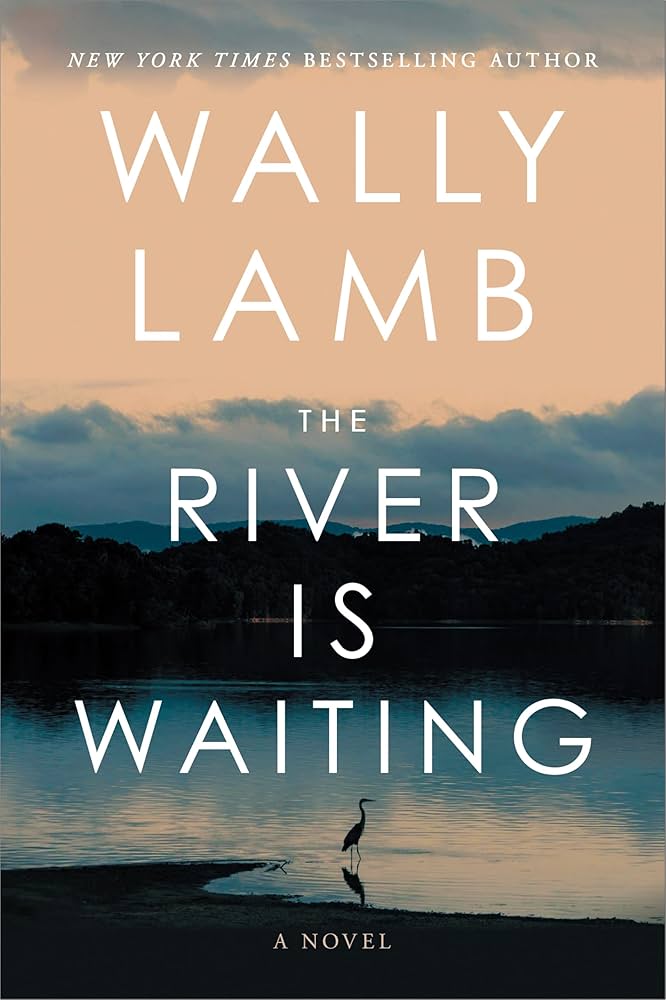
Book 5: The River Is Waiting
- Author: Wally Lamb
- Genre: Literary Fiction
Why I Picked It Up
Wally Lamb is one of those authors whose name carries weight. I’d never read him before, but I Know This Much Is True and She’s Come Undone are both considered modern classics. So, naturally when I came across The River Is Waiting, I thought I’d finally give him a shot.
Summary
Corby Ledbetter is struggling. He’s an unemployed commercial artist caring for toddler twins Maisie and Niko while his wife Emily works. He’s also battling a secret addiction to Ativan and alcohol. One morning in 2017, after popping pills and spiking his coffee with rum, Corby backs his car over his son Niko in the driveway, killing him. The tragedy destroys his marriage and lands Corby in prison. As Corby navigates the horrors of incarceration and begins the slow, painful work of confronting his addiction and grief, he clings to the hope that mercy, reconciliation, and forgiveness might still be possible.
What I Liked
Lamb doesn’t shy from horror. The opening chapter is absolutely gut-wrenching, and Lamb refuses to sanitize or soften the reality of what Corby has done. The unflinching honesty is brutal but necessary.
The prison setting feels authentic. Lamb volunteered for twenty years teaching writing at a women’s prison in Connecticut, and that experience shows. The details of prison life: the violence, the racism, the small kindnesses, the systemic failures, all feel grounded in reality rather than cliché.
Corby’s progression toward accountability is slow and messy. Lamb doesn’t give us easy redemption. Corby’s journey through addiction recovery, grief, and self-awareness is arduous, full of setbacks, and deeply human.
The supporting characters are complex. Solomon, the vulnerable young inmate Corby protects, is particularly well-drawn. The irony of Corby saving a life after what happened never feels overstated but is always present. I think that really shaped my view of the character, while understanding the nuance.
Downsides
This book is HEAVY. If you’re not in the right headspace for unrelenting grief, guilt, and trauma, this will wreck you. There’s very little lightness or respite.
The pacing is uneven. The prison section drags significantly in places, with day-by-day recounting that sometimes feels repetitive. Some prison tropes feel familiar. The racist inmates, sadistic guards, gossipy gay cellmate who becomes a true friend, saintly librarian—these aren’t necessarily unrealistic, but they’re not particularly fresh either.
Corby’s education about systemic racism and inequality, while earnest and accurate, occasionally veers into the didactic. There are moments where it feels like Lamb is teaching rather than showing. Some readers will find Corby irredeemable. If you can’t empathize with someone like this, this book won’t work for you.
Final Thoughts & Who Should Read It
Perfect for fans of Wally Lamb’s previous work, those who love Andre Dubus III or Tom Perrotta, or anyone drawn to unflinching literary fiction that grapples with guilt, grief, addiction.
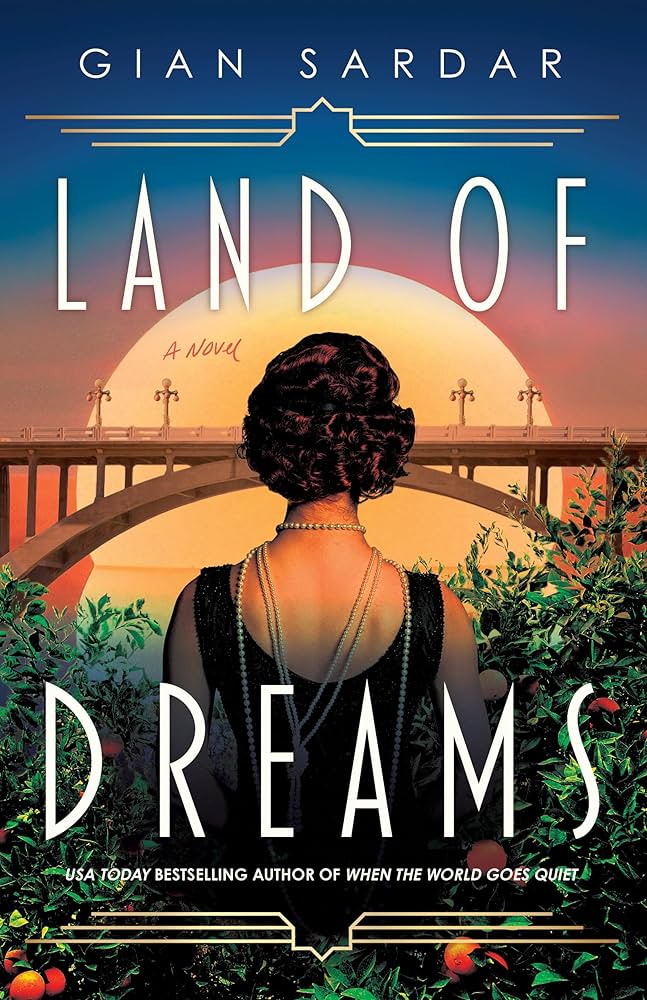
Book 6: Land of Dreams
- Author: Gian Sardar
- Genre: Historical Fiction
Why I Picked It Up
I’d heard of Gian Sardar in my social circle a lot1930s Hollywood, scandal, murder, and a “fixer” protagonist navigating the studio system? This sounded like exactly my kind of atmospheric historical mystery. I love Old Hollywood settings—the glamour, the corruption, the gap between public image and private truth—and the premise of Frankie spinning publicity for stars while concealing their darkest secrets was irresistible. Plus, Sardar is a USA Today bestselling author, so I had high expectations.
Summary
It’s 1933, Depression-era America, and movies are the ultimate escape. But in Hollywood, nothing is as it seems. Frankie Donnelly is scrappy, smart, and ambitious. He’s a publicity “fixer” at RCO Studios working under powerful studio exec, Nico Marconi. Her job is to spin any story into stellar publicity, and her latest project is the upcoming marriage of Hollywood royals Jack Sawyer and June Finney. Millions of fans are desperate to see their favorite silver-screen lovers tie the knot, but Frankie knows the truth: the marriage is an elaborate cover for Jack and June’s darkest secrets. When a shocking murder occurs, allegiances fracture, the tabloids explode, and a devastated public is left reeling. As Frankie uncovers new layers of scandal and deception, she’s forced to choose which Hollywood players to protect and who to destroy.
What I Liked
The atmosphere is excellent. Sardar captures Depression-era Hollywood beautifully—the desperation of people chasing stardom, the casual cruelty of those in power, the toxicity beneath the glamour. It feels authentic and vivid.
Frankie is a compelling protagonist. She’s observant, resourceful, pragmatic, and caught in genuine moral conflict between her career ambitions and her conscience. Her voice grounds the story even as the plot spirals.
The mystery unfolds in layers rather than dumping information all at once. Sardar parcels out revelations carefully, keeping you genuinely uncertain about where the truth lies.
The exploration of power dynamics and institutional corruption is sharp. The book examines how studios controlled stars, manipulated public perception, and buried scandals with ruthless efficiency.
Downsides
Despite the promising premise, I found myself bored for long stretches. The book is heavily character-driven, and while the atmosphere is strong, the actual plot moves slowly.
The characters felt flat. For all of Frankie’s moral conflict, I never really connected with her emotionally. The supporting cast—Jack, June, Nico—are more archetypes than fully realized people. The mystery is somewhat predictable. I guessed key elements midway through, and while Sardar attempted some misdirection, it didn’t entirely work for me.
For a book marketed as scandalous and glitzy, it lacks the spark I was hoping for. The Golden Age Hollywood setting should feel electric, but instead it feels muted. And after all the buildup, the resolution comes quickly and feels slightly anticlimactic.
Final Thoughts & Who Should Read It
Perfect for fans of atmospheric historical mysteries set in Old Hollywood, readers who loved The Seven Husbands of Evelyn Hugo or Taylor Jenkins Reid’s work.
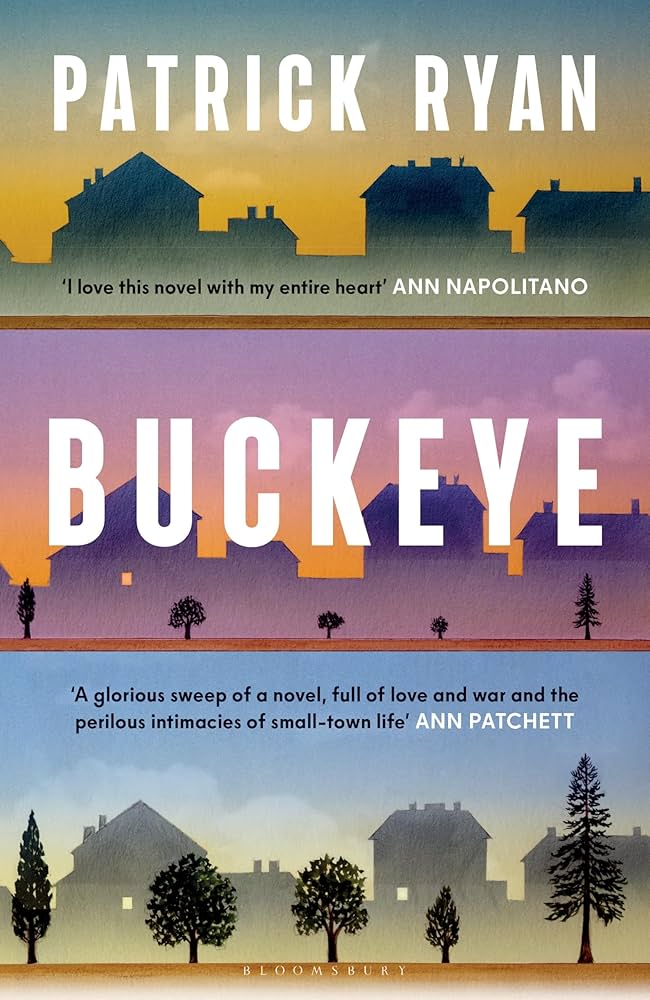
Book 7: Buckeye
- Author: Patrick Ryan
- Genre: Historical Fiction
Why I Picked It Up
At this point in the month, I knew that I’d be reading a lot of historical fiction because those were the vibes. So, when Buckeye came into my recommendations on Goodreads, I knew I’d go for it. I’d never read Patrick Ryan before so call it curiosity?
Summary
In Bonhomie, Ohio, Margaret Salt walks into the store where Cal Jenkins works to learn about the attac on Pearl Harbour. On hearing the news of the Allied victory in Europe, they share a moment of passion that haunts them for decades. The story spans from the 1920s through the 1980s, following these two (and their respective partners) and their children through World War II, the Vietnam War, and all the messy, mundane particularity of everyday life. It’s a story about mistakes and second chances, about how we stumble through love and loss, and above all, about time—how we waste it, wish for it, and long for more of it.
What I Liked
The writing is absolutely gorgeous. Ryan’s prose is lyrical, intelligent, and deeply moving without ever feeling overwrought. The observations about time, love, and human nature are profound and resonated with me a lot. I’m turning 28 in May, and I feel weird. So, the prose here worked really well.
Now, I’m not going to spoil it but the story has extremely wel-developed and deeply human characters, all complicated and tryin their best. I do appreciate authors who write their characters with compassion (something I’m careful about myself because this stuff tends to appear off page) without excusing the obvious mistakes they make.
The historical timeline and its accuracy is impressive. Ryan captures how major world events: WWII, Vietnam, and changing attitudes ripple through the characters’ lives without ever feeling didactic or heavy-handed.
Downsides
At 450+ pages, the book somehow feels both too long and too short. The first two-thirds linger on just a few years, then suddenly we fast-forward through decades. I wanted more time with the second generation.
The characters are almost too eloquent and self-aware. Everyone has perfectly articulated epiphanies, and while they’re beautifully written, it sometimes strains believability that these ordinary Midwestern people are so psychologically insightful.
Final Thoughts & Who Should Read It
Perfect for fans of Richard Russo’s Empire Falls, Elizabeth Strout’s Olive Kitteridge, or anyone who loves multi-generational sagas with complex, flawed characters, and small-town settings.
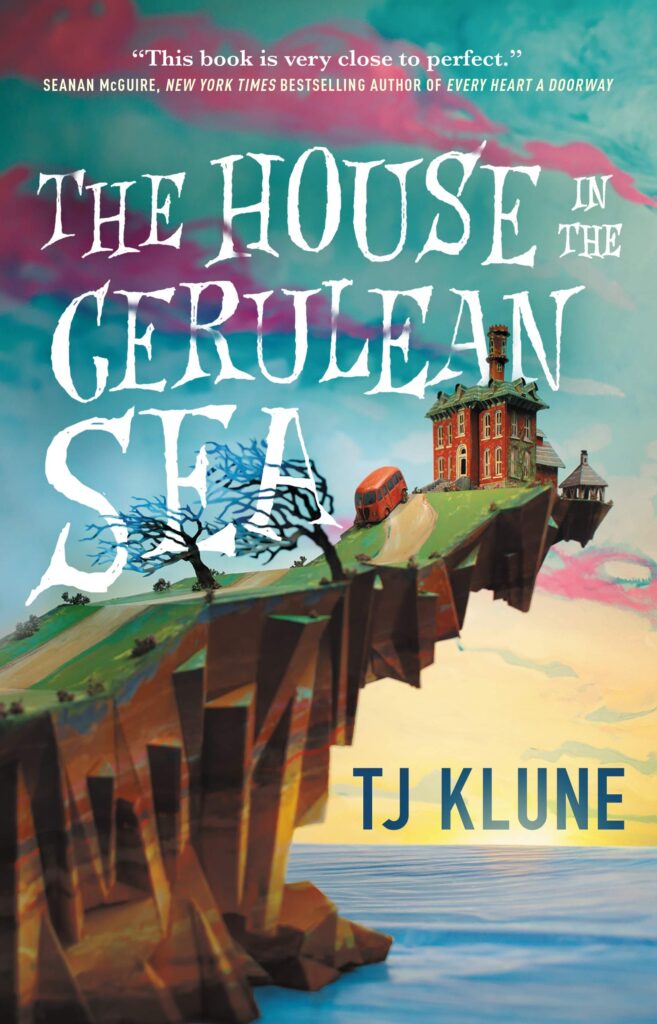
Book 8: The House in the Cerulean Sea
- Author: T.J. Klune
- Genre: Fantasy
Why I Picked It Up
This is supposed to be a series by the way, and I haven’t read one of those in a while. I now it’s weird to say that but I do like reading series. I’m writing one as well. So, naturally, when I saw this on my timeline, I just knew I had to read it.
Summary
Linus Baker is forty years old, lives in a tiny house with a devious cat and his beloved records, and leads a quiet, solitary life working as a by-the-book case worker for the Department in Charge of Magical Youth. One day, Extremely Upper Management summons Linus and gives him a highly classified assignment: travel to a remote island orphanage and determine if six particularly dangerous magical children are going to bring about the end of the world. The children include a gnome named Talia, a wyvern named Theodore, a sprite named Phee, a were-Pomeranian, an unidentifiable green blob named Chauncey, and Lucy—the Antichrist. As Linus spends time on the island, he begins to question everything he’s been taught about these children, falls in love, and discovers an unlikely family he never knew he needed.
What I Liked
This book was extremely fun to read—it’s warm, charming and actually funny. The children are absolutely delightfful, each with their own distinct personality. The found family theme here is done beautifully. Watching Linus slowly open his heart, and seeing the family they create together, is genuinely moving. The romance between Linus and Arthur is sweet and tender without being preachy. It’s just naturally woven into the story.
Klune tackles prejudice and bureaucratic cruelty in accessible ways without becoming heavy-handed. The metaphor is clear but doesn’t overwhelm the story. The writing is breezy and accessible. This is an easy, quick read that doesn’t demand much emotional labor from you—perfect for when you need comfort.
Downsides
The plot is extremely predictable. From page one, you know exactly where this is going and how it will end. There are zero surprises. Some of the writing feels a bit wooden. Klune’s prose is functional but not particularly beautiful or memorable.
The thing I found problematic here was that the author has acknowledged that the book’s inspiration was loosely based on the Sixties Scoop (the Canadian government’s forced removal of Indigenous children from their families). I feel strongly about the romanticizing of communities but writers so this is honestly the one thing that really gets me on this one. We can’t have nice things, can we?
Final Thoughts & Who Should Read It
Perfect for fans of cosy fantasy, readers who loved Under the Whispering Door or Seanan McGuire’s Wayward Children series, or anyone looking for found family stories.
Book 9: The Restoration Garden
- Author: Sara Blaydes
- Genre: Historical Fiction
Why I Picked It Up
I’m a sucker for dual timelines. I don’t care what genre it is, I thing this kind of structure saves a book. So, when Goodreads recommended The Restoration Garden to me, I knew I’d like it—especially since it includes an old English manor house and ESPOINAGE!!! I LOVE THOSE.
Even if there’s a smidge of it in a book, with basic intelligence gathering, I’ll go for it. There’s even an element of it in my own series because I love it. So, yeah—that’s it. That’s why I read this.
Summary
Landscape architect Julia Esdaile is hired to restore the historic gardens at Havenworth Manor, which have become an abandoned tangle of brambles and weeds. The enigmatic lady of the manor, ninety-two-year-old Margaret Clarke, wants the gardens restored to exactly how they looked during her childhood in 1940. It’s a deeply private project connected to a promise made a lifetime ago, a vow Margaret wants to keep before she dies. The story alternates between the present day, where Julia works on the restoration with help from Margaret’s godson, Andrew, and 1940, following Margaret’s older half-sister, Irene. As Julia prunes the overgrown gardens and discovers fragments of the past, she slowly uncovers a heartbreaking mystery.
What I Liked
Again—as I said, I loved the backdrop, the setting, the atmosphere—this was my jam. The descriptions of wartime England were rich, evocative but do note that my reference for that point in history has more to do with movies I’ve seen. My part of the world was trying to get a certain winner of WWII out of our country so barring the holocaust, I’ve never really been been taught (or cared) about that period of history. But the vibe of wartime England felt how I would’ve expected it to be.
Anyway, moving on (if you can’t tell, I have mixed feelings about everyone involved in WWII; I feel like there was no good guy there)—the description of the restoration work and the gardens were pretty detailed, and felt authentic. Blaydes weaves (you’ll get why I did this if you read the book) this symbolic communication throughout the story, connecting the timelines and adding an extra layer of meaning. The wartime sections are gripping, involving espionage, coded messages, covert operations, and the paranoia of wartime intelligence work.
The dual timelines are skillfully connected. Blaydes ties the past and present together organically rather than forcing the parallels. Julia’s perspective as an outsider to the family works well. It allows readers to discover the secrets alongside her rather than being told everything upfront.
Downsides
There’s less focus on the actual garden restoration than I hoped for. The premise promised detailed restoration work, but it takes a backseat to the mystery. The characters could use more depth. Both Julia and Irene are somewhat underwritten. They’re likeable enough to keep you invested, but they don’t feel fully three-dimensional.
Julia’s personal struggles feel like a secondary plot that never quite gets the attention it deserves. Her character arc feels somewhat rushed. Some readers might find it formulaic. If you’ve read a lot of Kate Morton or similar authors, this follows very familiar patterns—the mysterious old woman, the reluctant restorer, the wartime secret, the gradual revelation. Don’t get me wrong, this kind of stuff is my jam, but I know everyone wouldn’t be into it which is why I pointed out.
Final Thoughts & Who Should Read It
Perfect for fans of Kate Morton, Beatriz Williams, Lisa Wingate, or anyone who loves historical fiction with English manor houses, garden restoration, WWII espionage, and long-buried family secrets.
What I Read in March 2026: Summary & Favourite (and Least Favorite) Book
So, I read a lot of historical fictions this month. I have no idea why but I did. I think since spring’s here now, I’m craving stuff that’s more light-hearted than the thrillers I’ve read in my other book reviews but still has that mystery edge.
If you haven’t been able to tell so far, my favourite book for the month was The Restoration Garden by Sara Blaydes. I couldn’t find anything wrong with the book. I’ve already listed the stuff I thought were downers for most people but let’s be honest: I don’t care about restorations all that much. I don’t care if there’s a formula—Colleen Hoover regularly writes formulaic romance novels and messes them up. So, Sara Blaydes—based on how well this book was written—deserves far more recognition than pick-me-cheer-queen, Hoover. I’m going to check out more of her books.
For my least favourite, I’d say it was The Women by Kristin Hannah. I hated how Vietnam was a backdrop for her story. I’ve already mentioned it in my review but I don’t like this sort of surface-level stuff. I was genuinely surprised by this but, oh well.
The most important thing that happened this month was my first ever ARC REVIEW!! So, if you guys made it to the end, I would HIGHLY recommend checking out The False Truth by Ali Riley. I’ve already reviewed it and I think you should all give her a shot!
And that’s a wrap for March! What did you read this month? Agree or disagree with my picks? Feel free to start a debate (or recommend me your latest obsession) in the comments.


You May Also Like

Book Talk: What I Read in July

A Christmas & New Year’s Blog Post