Book Talk: What I Read in January 2026
I’m playing catch up. My initial plan was to get the site redesign done by mid-January and launch my Instagram account on the same day. But the web development gods decided to mess with me and now we’re here. February 12th.
Site redesign got done a while back but it was significantly late and I haven’t even started posting on the new Instagram account. So, I’m late.
And I don’t like it. But, considering how chaotic 2026 has been so far, the fact that this is even happening today is a miracle. BUT enough about my technological struggles.
Side Note: I went into this site redesign thinking I’d seen it; there was no way I was going to bundle my own blog’s redesign but I clearly was too cocky about it and now we’re here. Moral of the story: stay humble.I’ve managed to read six books this month which is not the start I would’ve liked but it’s still something. I’m already on my third book for February’s reading list so I guess we’re in a good space. Going forward, I want to do two separate reading lists: one being the usual that I covered last year, and another specifically from Indie and new writers.
I wanted to do it this month but between work drama, landlord drama (my landlord tried evicting me two times in January. It was all BS to force me to increase the rent), uni drama and also, blog drama.
My apologies to anyone I’ve been speaking to about this. I think I’ve responded to everyone but the review’s coming. I might do two blog posts about that in February and March to make up for it.
Anyway, let’s get started.
January Breakdown: Book Recommendations
Unlike my December reading list, I didn’t really have a fixed genre for this month but it turned out to be emotional reads. I went into the new year thinking I’d ease back into reading with some lighter fare after December’s existential read, but apparently I’m a sucker for emotional intensity because I picked six books that absolutely wrecked me in the best way possible. As usual, you can check out my reading list on Goodreads.
So, without further ado, here’s what I read in January:
- Theo of Golden by Allen Levi
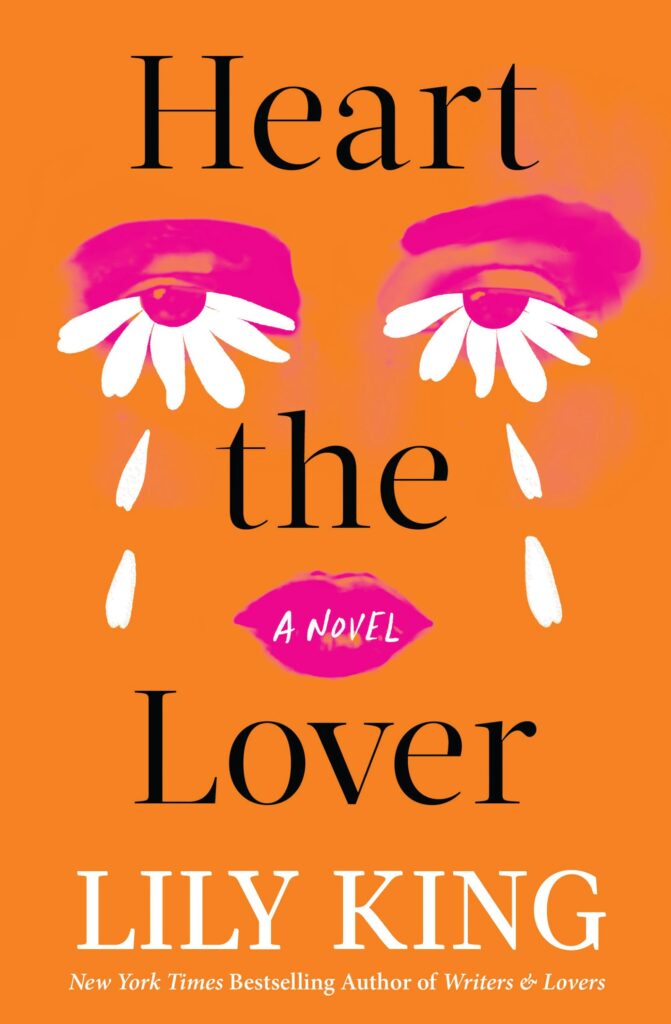
- Heart the Lover by Lily King
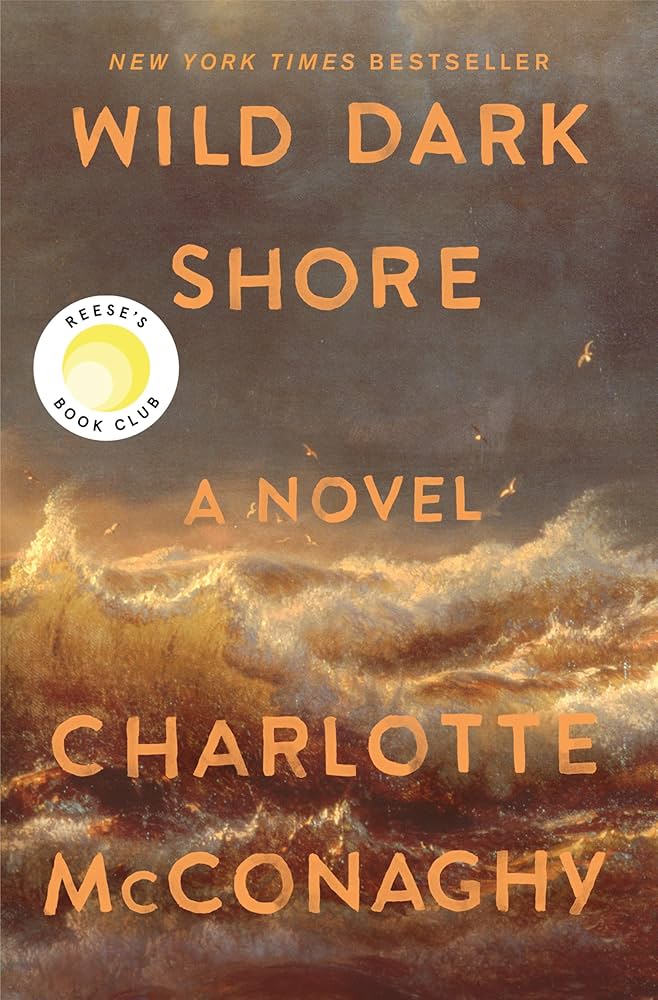
- Wild Dark Shore by Charlotte McConaghy
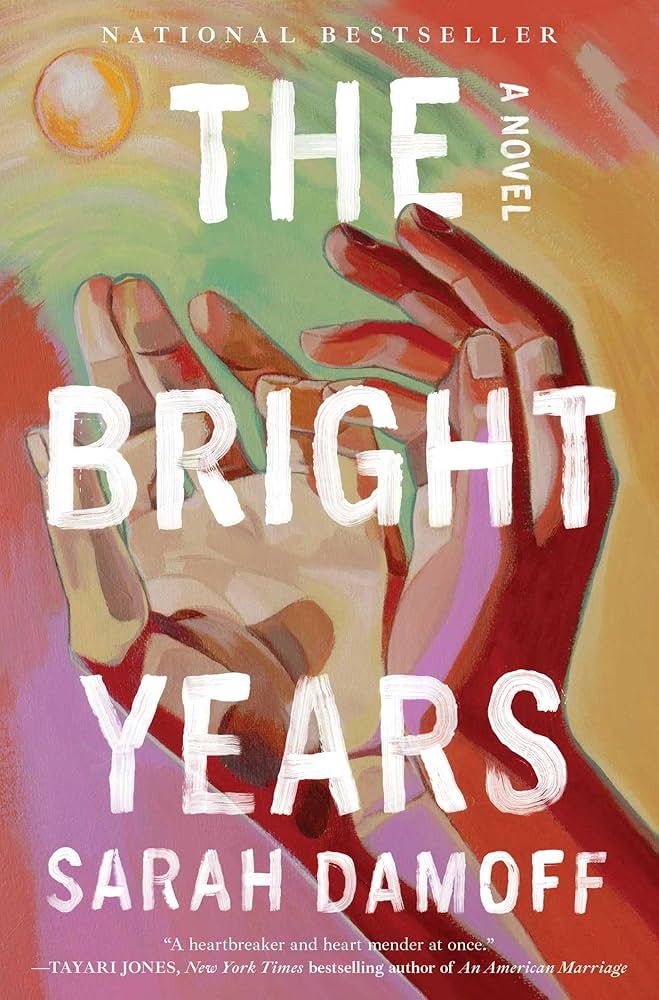
- The Bright Years by Sarah Damoff
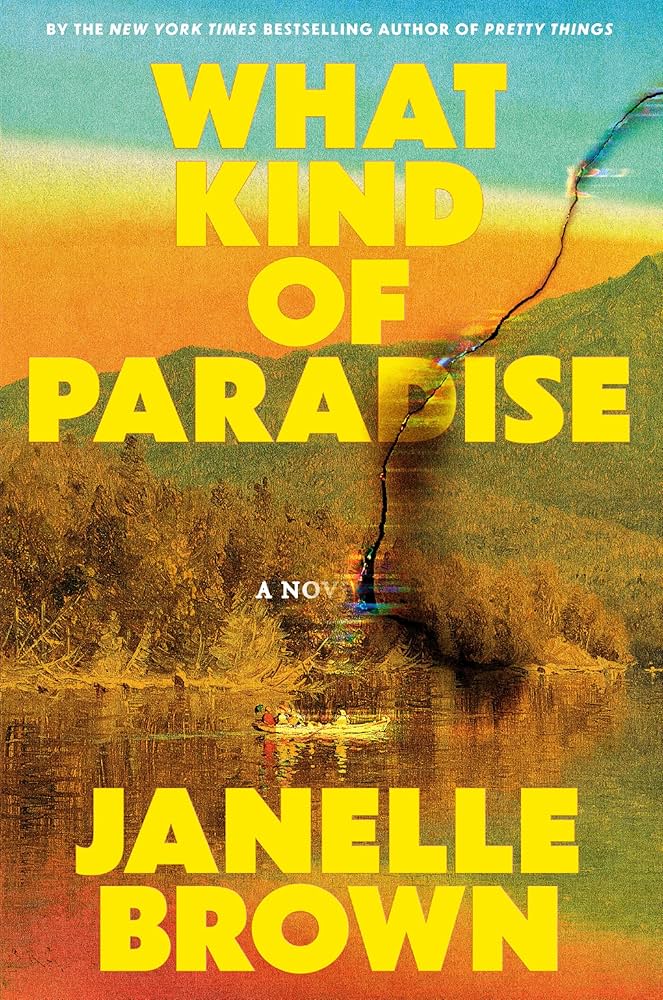
- What Kind of Paradise by Janelle Brown
- Finding Grace by Loretta Rothschild
Book 1: Theo of Golden
- Author: Allen Levi
- Genre: Mystery

Why I Picked It Up
This one came highly recommended from basically everyone. It’s been all over BookTok, Goodreads, and every “best of 2025” list I could find. The premise sounded like exactly the kind of heartwarming palate cleanser I needed in the new year. An elderly man arriving in a small Southern town and buying portraits to give back to their subjects? That’s the kind of wholesome content I was craving to start the new year.
Summary
Theo, an 86-year-old Portuguese man, arrives in the small Georgia town of Golden one spring morning with mysterious intentions. On his first day, he discovers The Chalice, a coffee shop displaying 92 pencil portraits of Golden’s residents, all done by local artist Asher Glissen. Theo decides to purchase these portraits one by one and return them to their “rightful owners.” Through each exchange, stories unfold, friendships form, and lives change. As Theo weaves himself into the fabric of Golden’s community, the townspeople begin to wonder: Who is this kind stranger?
What I Liked
Allen Levi’s writing is absolutely beautiful. It’s gentle, warm, and poetic without ever feeling over the top. The prose has this quiet, contemplative quality that makes you slow down and actually absorb what you’re reading instead of racing through it. Every sentence feels intentional.Theo is an extraordinary character. He’s kind without being unrealistic, wise without being preachy, and genuinely good in a way that doesn’t feel manufactured.
Levi manages to make him feel like a real person rather than some saintly figure dropped into town to teach everyone life lessons. His love for books, art, birds, and people feels authentic and earned.The structure of the book—each portrait becoming a gateway into someone’s story—is brilliant. We get to know the people of Golden through Theo’s eyes. The supporting characters are beautifully drawn, from Asher the artist to the various townspeople Theo befriends.
What I appreciated most is how Levi handles heavy themes—loss, grief, regret, loneliness—with incredible caution and tenderness. This book doesn’t shy away from pain but it’s not depressing either. There’s genuine hope here, and it feels earned by the end.
Downsides
The pacing is deliberately slow, especially in the first half. Levi takes his time setting up the world of Golden and introducing the characters, which I personally didn’t mind, but if you’re expecting plot-driven momentum, you’ll be frustrated. Some readers might find the book a bit too religious or overtly Christian in its themes. There are references to faith and grace throughout, and while they didn’t bother me (thank you, missionary schooling), I can see how they might feel heavy-handed for some.
Final Thoughts & Who Should Read It
Theo of Golden is one of those rare books that stays with you long after you finish. If you loved A Man Called Ove, The Midnight Library, or anything by Fredrik Backman, this will resonate deeply with you.
Book 2: Heart the Lover
- Author: Lily King
- Genre: Literary Fiction
Why I Picked It Up
I’d heard incredible things about Lily King’s Writers & Lovers, and when I saw that Heart the Lover was connected to it (though it stands alone), I was immediately intrigued. The premise—a college love triangle revisited decades later—sounded really fun and I’m all for that kind of drama.
Summary
In the fall of her senior year of college, our unnamed narrator meets two brilliant students from her 17th-Century Literature class: Sam and Yash. Best friends living off-campus in an elegant borrowed house, they invite her into their intoxicating world of academic fervor, rapid-fire banter, and intense intellectual connection. What begins as friendship evolves into a complicated love triangle that will shape the narrator’s entire life. Decades later, when Yash returns under tragic circumstances, she must confront the choices and deceptions of her youth.
What I Liked
Lily King’s writing is stunning. Usually with stories like these you’ll find writers trying to be edgy and overly melodramatic but King doesn’t do that. She writes with this precise, evocative style that captures both the giddy enthusiasm of first love and the aching regret of hindsight.
The way she ages her narrator’s voice—preserving that young woman’s earnestness while layering it with an older woman’s wisdom—is truly a masterclass in writing. King perfectly captures that heady feeling of being young and in love with ideas, books, and people all at once. The intellectual chemistry between the three characters feels real and electric, and the slow-burn tension is beautifully done.
The exploration of how sexism operates in academic spaces: the casual dismissals, the gendered expectations, the way male students are groomed for success while female students are overlooked is something I can actually relate to, especially here in Turkey. But what I liked is how King never makes it the central point, but it’s woven throughout in ways that felt painfully accurate.The final section, set in a hospital room, is heartbreaking and beautifully written. King captures the surreal melodrama of deathbed conversations and the desperate need to say things while there’s still time.
Downsides
The middle section of the story where the narrator has moved on with her life feels rushed and underdeveloped. King tries to cover massive swaths of time (marriage, motherhood, career) in relatively few pages, and it doesn’t have the depth or nuance of the college sections. It felt like filler between the parts King actually wanted to write.Yash never quite comes alive as a fully realized character. We only see him through the narrator’s idealized, limited perspective, which is intentional but also frustrating. He remains more of a symbol than a person.
The connection to Writers & Lovers is hidden until the very end, which some readers might love as a surprise but I found it to be slightly gimmicky. It doesn’t add much to the story, and if you haven’t read Writers & Lovers, it feels like you’re missing an inside joke.
Some of the “deeper” literary conversations feel a bit performative and pretentious. I get that they’re college students trying to impress each other, but there were moments where I rolled my eyes.
Final Thoughts & Who Should Read It
This one’s perfect for fans of Sally Rooney, Marilynne Robinson, or anyone who loves literary fiction that explores relationships with nuance and depth. If you want a book that makes you think about love, regret, and the different versions of ourselves we become, this is it.
Book 3: Wild Dark Shore
- Author: Charlotte McConaghy
- Genre: Literary Fiction, Climate Fiction
Why I Picked It Up
I’ve been meaning to read Charlotte McConaghy for ages. Everyone raves about Migrations and Once There Were Wolves, and when I saw Wild Dark Shore was a Reese’s Book Club pick and Amazon’s Best Book of 2025, I knew I had to finally dive in. The premise—a family on a remote island, a mysterious woman washed ashore, climate change looming—sounded atmospheric and haunting in exactly the way I was craving.
Summary
Dominic Salt and his three children, Raff, Fen, and Orly are the last inhabitants of Shearwater, a tiny island near Antarctica that houses the world’s largest seed bank. Once full of researchers, the island is now being abandoned due to rising sea levels, and the Salts are packing up the seeds before evacuation. Isolation has taken its toll: Raff numbs his heartbreak at a punching bag, Fen spends nights among the seals, and Orly fears losing his beloved natural world. Dominic can’t stop dwelling on the loss that drove them here. Then, during the worst storm the island has ever seen, a woman named Rowan washes ashore. As they nurse her back to health, secrets emerge, danger lurks, and the family must decide if they can trust each other before it’s too late.
What I Liked
McConaghy’s nature writing is absolutely breathtaking. The way she describes Shearwater is so vivid and immersive that I felt like I was there. Every page drips with atmosphere.
The alternating POV structure works brilliantly. We get inside each character’s head, and McConaghy uses this to build tension and slowly reveal secrets. The way information is parceled out kept me hooked.
The exploration of grief is raw and honest. Each member of the Salt family is dealing with loss in their own way, and McConaghy doesn’t offer easy answers or quick healing. The weight of what they’ve lost hangs over everything.
The climate change backdrop feels urgent without being preachy. This is a story about what we owe the future, what we’re willing to save, and what we’re forced to let go. The seed bank becomes a powerful metaphor for preservation, hope, and impossible choices. The twist at the end absolutely gutted me. I won’t spoil it, but it reframes everything in a way that’s both devastating and strangely hopeful.
Downsides
This book is heavy. It’s extremely bleak at times, and the accumulation of grief, trauma, and loss can be overwhelming. If you’re not in the right headspace for emotional devastation, this will wreck you.
Some of the plot developments rely on convenient coincidences that strained my suspension of disbelief. There’s a moment involving Rowan’s past that felt a bit too neatly orchestrated.
The pacing in the middle drags slightly. McConaghy is so focused on atmosphere and character that the plot sometimes takes a backseat, which works for the mood but can feel slow.
Rowan remains somewhat enigmatic even after her secrets are revealed. I wanted more from her character in terms of character development. She felt like a catalyst for the Salt family’s story rather than a fully realized person.
Final Thoughts & Who Should Read It
If you loved Station Eleven, The Overstory, or anything by Barbara Kingsolver, this is essential reading. It’s perfect for fans of climate fiction, literary thrillers, or anyone who wants to be emotionally destroyed by beautiful writing about nature and humanity.
Book 4: The Bright Years
- Author: Sarah Damoff
- Genre: Literary Fiction
Why I Picked It Up
This was one of those books I kept seeing everywhere—Goodreads, BookTok, Instagram—and the reviews were universally glowing. A multi-generational family saga about addiction, love, and forgiveness set in Texas? That sounded like exactly the kind of sweeping, emotional story I was in the mood for. Plus, it’s Sarah Damoff’s debut, and I have a soft spot for debut novels that swing big.
Summary
The Bright Years follows the Bright family across six decades, told through three intimate perspectives. We meet Ryan as a child escaping his abusive, alcoholic father with his mother. Years later, Ryan meets Lillian, a bank teller whose parents died young. They fall deeply in love and marry, but both carry baggage: Lillian has a secret son she gave up for adoption, and Ryan has an alcohol addiction he’s hiding. Their daughter, Georgette (Jet), grows up watching their marriage rise and fall. When tragedy strikes, the fragile family scatters. Years later, when Lillian’s son comes searching for his birth family, Georgette must return home, unearth their history, and decide whether forgiveness and love are still possible.
What I Liked
Sarah Damoff’s writing is exquisite, poetic, and tender. She drops these quiet, devastating insights into human nature that stop you in your tracks. The three-POV structure (Lillian, Jet, Ryan) is brilliantly executed. Each voice is distinct, and watching the same events from different perspectives adds incredible depth and nuance. You understand why each person makes the choices they do, even when those choices are terrible.
Damoff’s background as a social worker shines through in how she handles addiction. This story doesn’t glamorise or oversimplify alcoholism—it shows the devastation, the relapses, the way it destroys families, and the hard, unglamorous work of recovery. It’s honest and empathetic without being sentimental.
The characters are so real and flawed that you can’t help but root for them even when they’re making awful decisions. Damoff has this incredible ability to make you love people who are deeply imperfect, and that’s what makes the emotional punches land so hard.
Downsides
This book is actually a very sad one. There are moments of joy and hope, but they’re few and far between. If you’re looking for a light, uplifting read, this is not it. The emotional weight is heavy throughout.
Some readers might find the moral lessons a bit heavy-handed. Damoff is clearly exploring themes of generational trauma, forgiveness, and redemption, and occasionally it feels like the characters exist more as symbols than as people. I didn’t mind this, but I can see it being a turnoff for some.
The pacing in the middle section feels rushed. Damoff covers decades of Jet’s life in relatively few pages, and I wanted more time with certain moments that felt glossed over. At only 288 pages, the book tries to cover an enormous amount of ground—four generations, sixty years, multiple devastating events. Sometimes it feels overstuffed, and I wished Damoff had given herself more space to let certain scenes breathe.
Final Thoughts & Who Should Read It
The Bright Years is a powerful, beautifully written debut about family, addiction, and the possibility of redemption. If you loved The Great Believers by Rebecca Makkai, Everything I Never Told You by Celeste Ng, or anything by Mary Beth Keane, this is a must-read.
Book 5: What Kind of Paradise
- Author: Janelle Brown
- Genre: Psychological Thriller
Why I Picked It Up
Janelle Brown is another one of those writers I’ve been meaning to read for a while but never get around to. And when I saw the premise of What Kind of Paradise, I was immediately sold. It sounded like the perfect blend of psychological suspense and social commentary.
Summary
Jane has lived her entire life in a remote Montana cabin with her father, cut off from civilization after her mother’s death when she was four. Her father has raised her on philosophy, survival skills, and a deep distrust of technology and society. But as Jane becomes a teenager, she starts questioning their isolated existence—and her father’s increasingly paranoid behavior. When she realizes she’s been an unwitting accomplice to something horrific, Jane flees to San Francisco, the only place she knows to look for answers about her mysterious past and her mother’s death. It’s the mid-1990s, and the city is in the midst of seismic change as the internet boom takes hold. As Jane searches for the truth, she must navigate a world she was raised to fear and decide what kind of person she wants to become.
What I Liked
The premise is genuinely fascinating. Brown takes what could have been a standard “isolated girl escapes abusive father” story and turns it into something much more complex by setting it against the backdrop of the early internet age. The parallels between Jane’s father’s anti-technology manifesto and the utopian promises of Silicon Valley are brilliant.
Jane is an incredibly compelling protagonist. She’s naive and sheltered in some ways, but also sharp and resilient. Brown does an excellent job showing how her upbringing has both damaged and strengthened her, and watching her navigate the “real world” is both heartbreaking and fascinating.
The 1990s San Francisco setting is pitch-perfect. Brown captures the giddy optimism and reckless energy of the dot-com era without making it feel like a nostalgic parody. The cultural details feel authentic rather than showy. The writing is sharp and propulsive. Brown knows how to build tension, and even when the pacing slows, the prose itself keeps you engaged.
Downsides
The first third of the book—when Jane and her father are still in Montana—is absolutely gripping. The second two-thirds, when Jane is in San Francisco, feel more fractured and uneven which wasn’t very nice for me because I love reading about the city. The momentum shifts, and the story doesn’t hold together quite as tightly.
Some of the San Francisco characters feel underdeveloped or one-dimensional, especially compared to the richness of Jane and her father. They’re more plot devices than fully realized people.
The ending felt a bit rushed and convenient. After spending so much time building up moral complexity and difficult questions, the resolution ties things up a little too neatly for my taste.
Jane makes some frustrating decisions, which I know is the point given her sheltered upbringing, but there were moments where I wanted to shake her. Her inability to see obvious red flags became infuriating at times.
Final Thoughts & Who Should Read It
Perfect for fans of Educated by Tara Westover, My Year of Rest and Relaxation by Ottessa Moshfegh, or anyone interested in stories about cults, isolation, or the early internet era.
Book 6: Finding Grace
- Author: Loretta Rothschild
- Genre: Family Drama
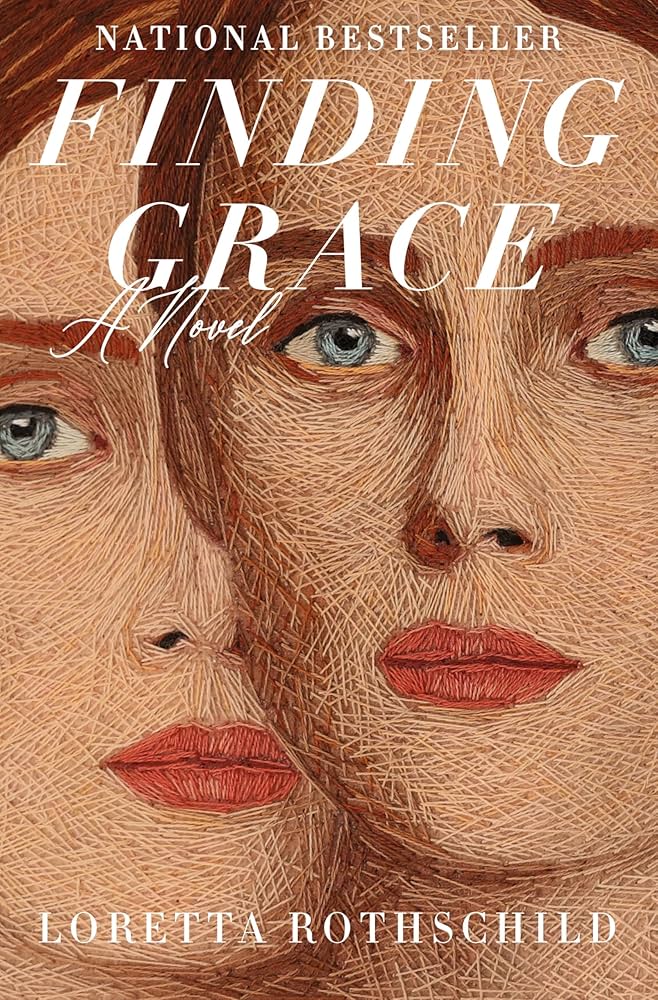
Why I Picked It Up
This was another one of those books where everyone said “just read it, don’t look up anything about it, go in blind.” I’m a sucker for that kind of recommendation, and the vague synopsis about family, secrets, and a shocking twist was enough to hook me. Plus, it’s Loretta Rothschild’s debut, and I wanted to see what all the buzz was about.
Summary
I’m going to be as vague as possible because this book is best experienced without knowing much. Honor, Tom, and their six-year-old daughter Chloe are in Paris for Christmas. Honor desperately wants another baby, and the stress of fertility treatments has put a strain on their marriage. Then, in the first chapter, something shocking happens that changes everything. Years later, Tom makes a decision that sets off a chain of consequences, and two women’s lives become irrevocably intertwined. The story unfolds through a narrator, and as secrets are revealed, we’re forced to ask: What happens when your past comes back to haunt you? Can love survive betrayal? And what does it mean to build a family?
What I Liked
The narrative voice is genuinely unique and bold. Rothschild makes a risky choice with her narrator (which I won’t spoil), and while some readers found it gimmicky, I thought it worked. It allows for an omniscient perspective that adds layers of dramatic irony and emotional complexity.
The first chapter is absolutely jaw-dropping. It’s one of the most shocking openings I’ve read in a long time, and it immediately hooked me. I had to know what happened next. Rothschild handles grief with real tenderness. The way she writes about loss—not just the immediate devastation but the long, grinding work of living with it—is honest and moving.
The moral dilemma at the heart of the story is genuinely complex. There’s no clear “right” answer, and Rothschild doesn’t offer one. She lets the uncomfortable questions sit with you.
The supporting cast—Tom and Honor’s friend group—adds depth and sometimes much-needed levity.
Downsides
Tom is an incredibly difficult character to like. He’s selfish, dishonest, and makes terrible decision after terrible decision. Rothschild clearly wants us to empathize with his grief, but his behavior is often so reprehensible that it’s hard to root for him. The book tries to redeem him, but I never quite bought it.
The “love story” that unfolds in the story felt forced and frankly kind of creepy. The circumstances of how the couple meet and fall in love are deeply problematic, and the book doesn’t adequately grapple with that.
The pacing is uneven. The first third is gripping, but the middle drags as Tom makes one bad choice after another. There are only so many times you can watch a character lie and manipulate before it becomes exhausting. The ending wraps everything up too neatly. After all the moral complexity and messy human behavior, the resolution feels unearned and overly optimistic. It undermines the weight of what came before.
Final Thoughts & Who Should Read It
If you loved The Light We Lost by Jill Santopolo, you might enjoy this. It’s best for readers who can tolerate morally gray (or outright bad) characters and are willing to overlook some narrative conveniences for the sake of emotional impact.
What I Read in January 2026: Summary & Favourite (and Least Favorite) Book
January was heavy. I read about climate disaster, alcoholism, grief, death, isolation, and morally bankrupt decisions, and somehow I’m coming out the other side feeling…weirdly okay? If I had to pick a favorite, it’s Wild Dark Shore. Charlotte McConaghy’s writing is just phenomenal—she writes about nature and grief with such visceral beauty that I felt like I was actually on that freezing island with the Salt family. The way she weaves climate change into a deeply personal family story without being preachy is masterful.
As for least favorite, I’m going with Finding Grace. And this one pains me because I can see what Loretta Rothschild was going for, and there are genuinely powerful moments.
Theo of Golden and The Bright Years both deserve honorable mentions for making me cry the hardest. Theo was such a pure, beautiful meditation on kindness and community that when the tragedy hit, it absolutely leveled me. And The Bright Years tackled addiction with such raw honesty that I felt every moment of the Bright family’s pain. Both are stunning debuts that showcase incredible emotional intelligence.
And that’s a wrap for January! What did you read this month? Agree or disagree with my picks? Feel free to start a debate (or recommend me your latest obsession) in the comments.


You May Also Like
Book Talk: What I Read in August

On Writing Found Family: How to Build Chosen Family Dynamics That Feel Real