
Book Talk: What I Read in February 2026
Okay, so first up—lots of things have happened this month, including the launch of my Instagram account (FINALLY, I know!) but somehow, I read nine books in February. I think it’s got something to do with my commute. I’ve been doing a lot of traveling recently and books are just easier to immerse yourself into if you have three hours of uninterrupted time.
Also, since it was International Women’s Day over the weekend and, given that we’re a women-majority company at work these days, we all got a couple of days off. So, naturally I went to Izmir over the weekend and wrote and posted on Instagram. I seriously adore Izmir; it’s my favourite city in the world.
But enough of this ramble. Let’s get to the books I read in February.
February Breakdown: Book Recommendations
Unlike my January reading list, February was all about variety and pure escapism. I decided I needed a complete reset, especially if I want to achieve my goal of reading 100 books this year (I read 64 books last year). There was no theme, no specific-genre, just me grabbing whatever looked interesting and reading it in record time. As usual, you can check out the February list on Goodreads too.
And, as usual, here’s what I read in February:
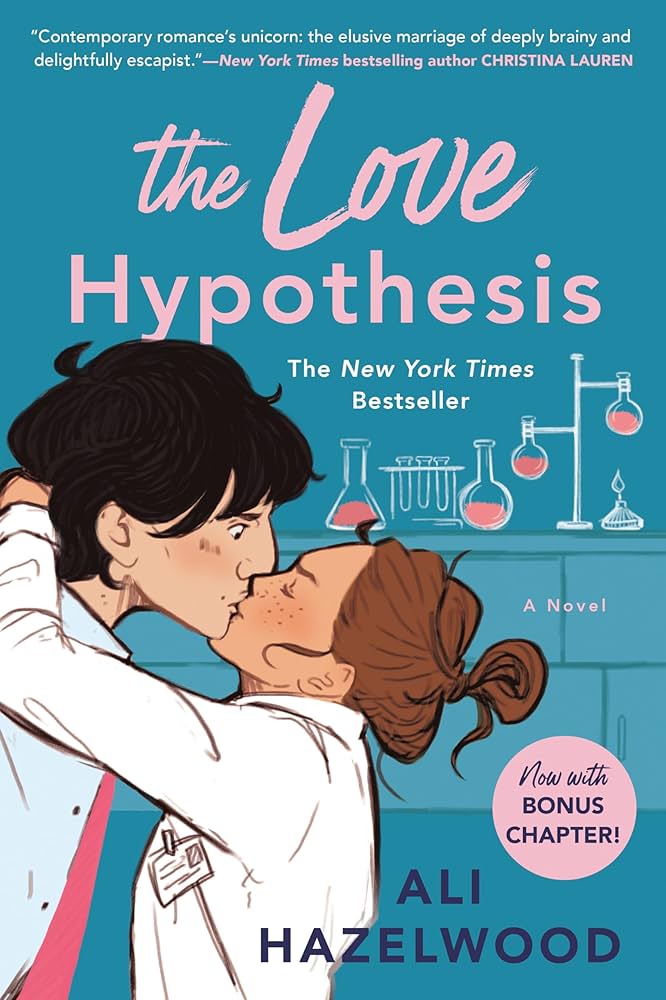
- The Love Hypothesis by Ali Hazelwood
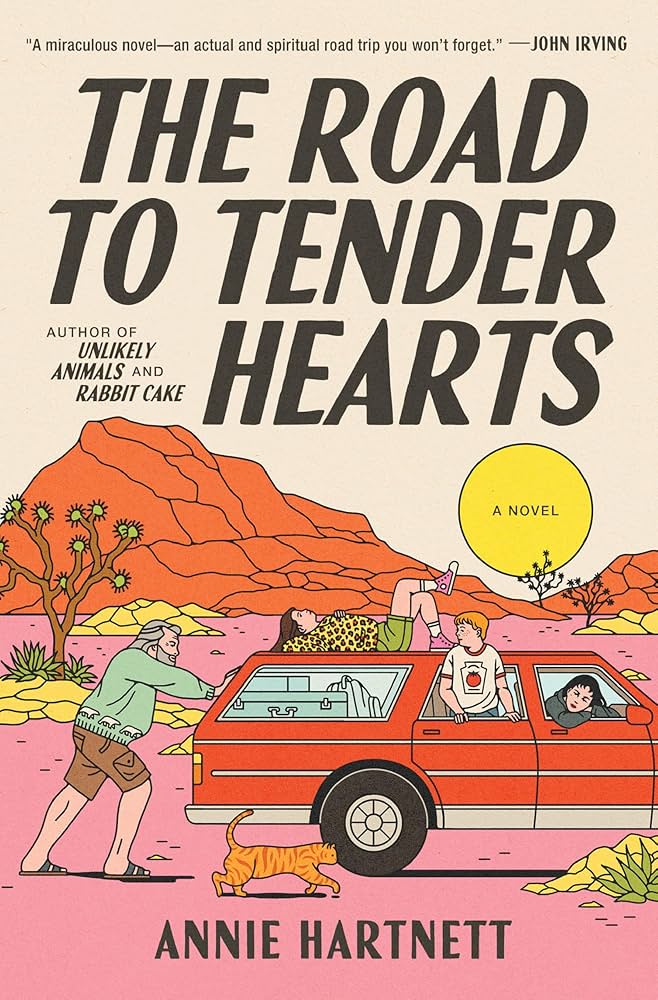
- The Road to Tender Hearts by Annie Hartnett
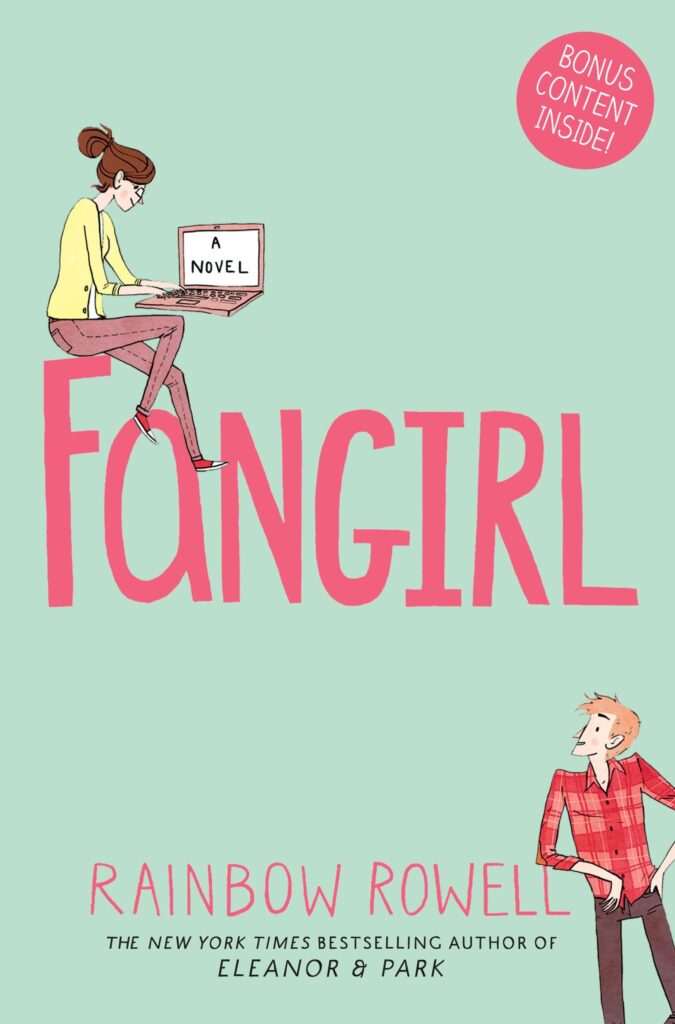
- Fangirl by Rainbow Rowell
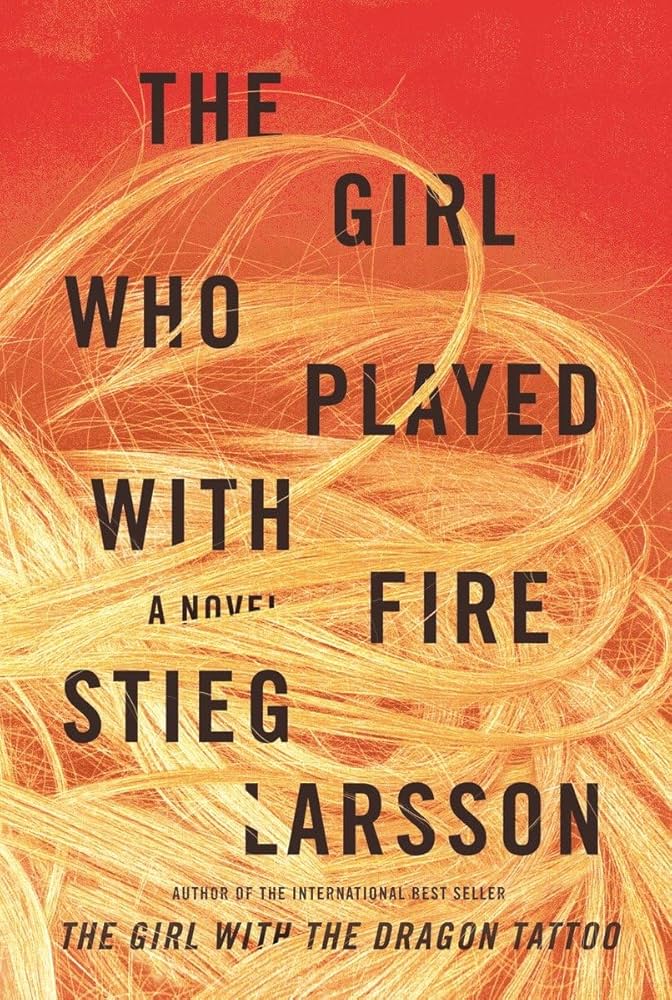
- The Girl Who Played with Fire by Stieg Larsson
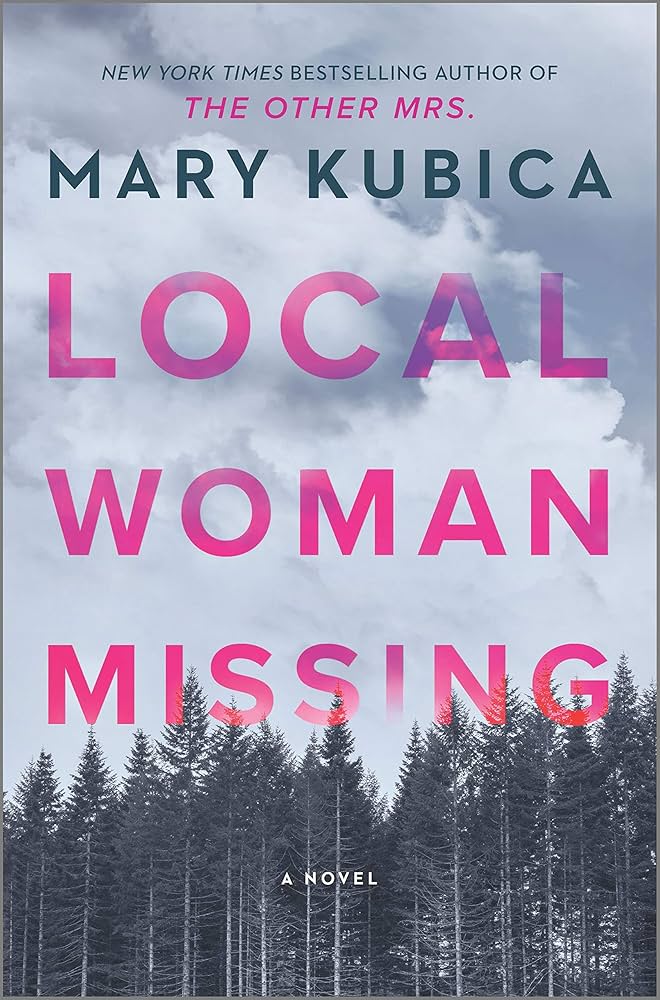
- Local Woman Missing by Mary Kubica
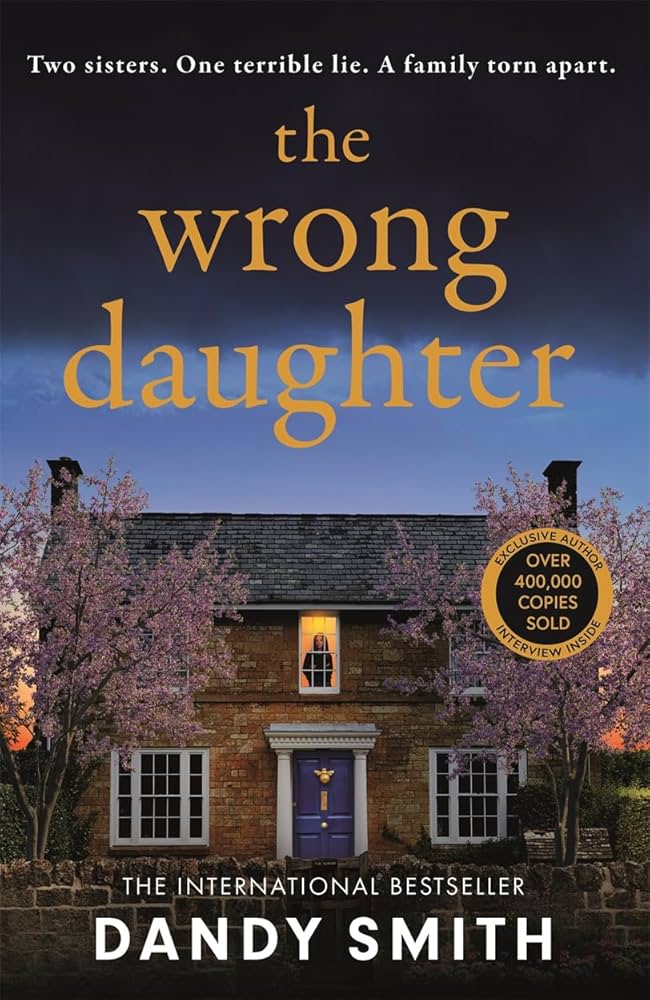
- The Wrong Daughter by Dandy Smith
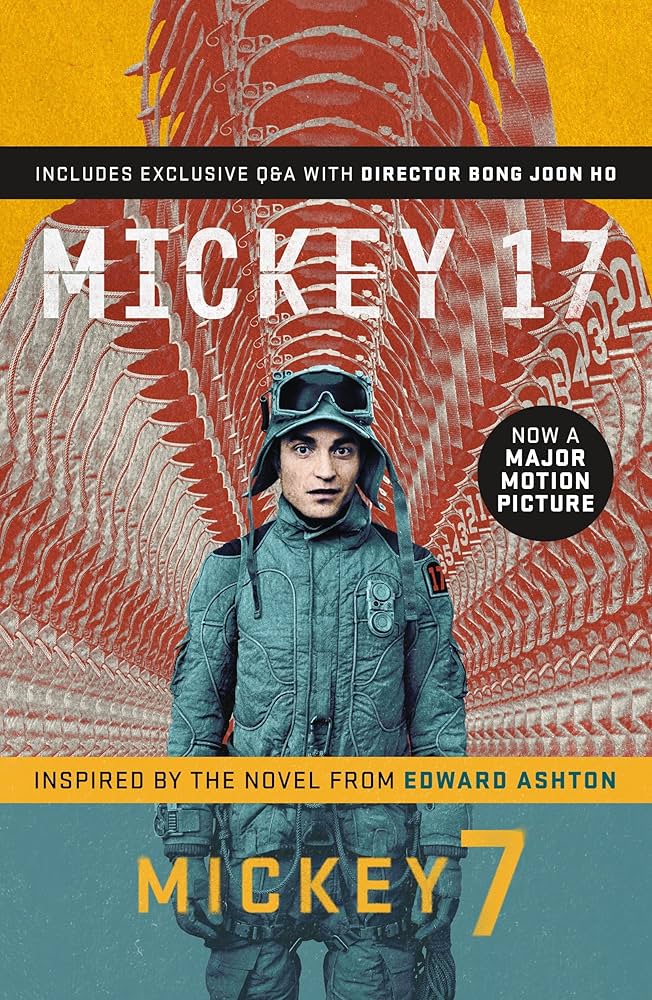
- Mickey7 by Edward Ashton
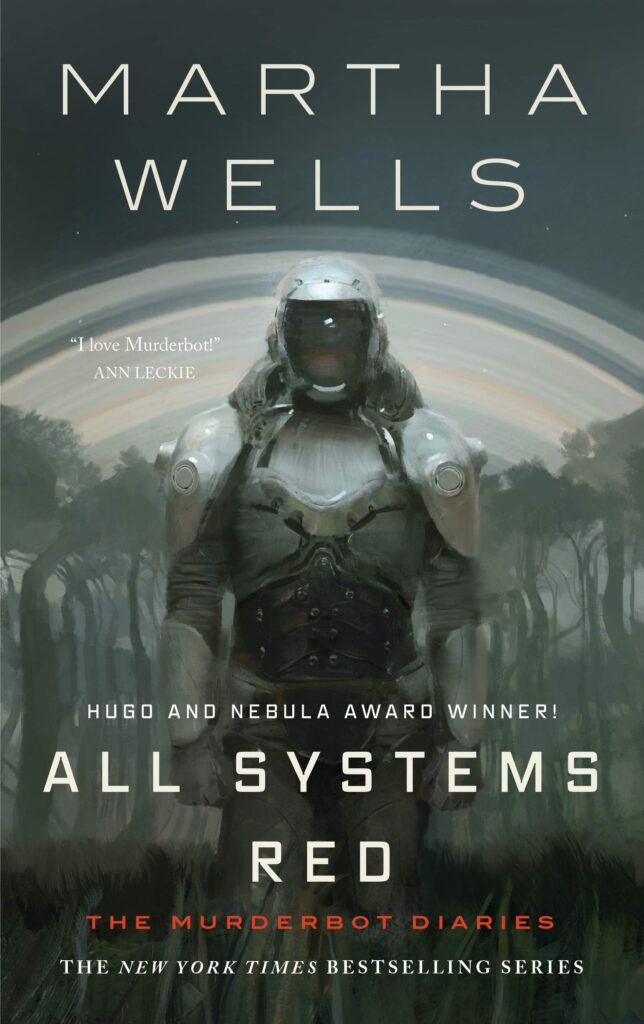
- All Systems Red by Martha Wells
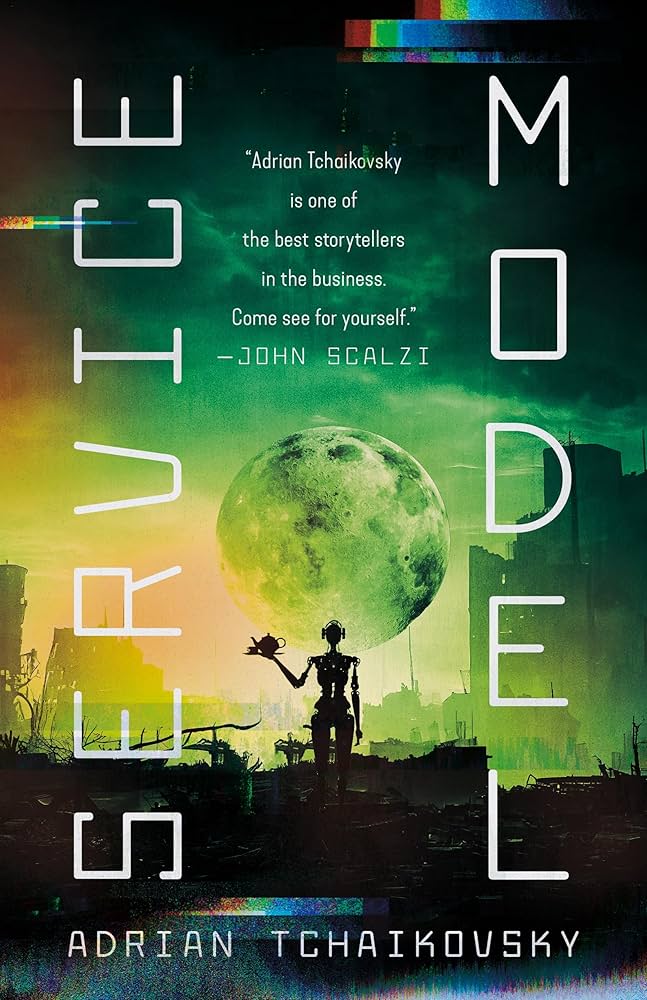
- Service Model by Adrian Tchaikovsky
Book 1: The Love Hypothesis
- Author: Ali Hazelwood
- Genre: Contemporary Romance
Why I Picked It Up
I’m not sure who recommended this book to me. But it’s been on my list for a very long time. I just hadn’t been in the mood for romance (this is pre-Valentine’s Day. I was feeling bad about being single lol) so I’d avoided The Love Hypothesis. Especially since as a STEM graduate myself, I knew this one would hit close to home and make me question why I don’t allow myself to go on dates anymore.
Summary
Olive Smith is a third-year PhD candidate at Stanford who doesn’t believe in lasting romantic relationships. When her best friend Anh hesitates to date a guy Olive went out with once, Olive decides to prove she’s moved on by kissing the first man she sees—who happens to be Dr. Adam Carlsen, Stanford’s notoriously intimidating young professor and “lab tyrant.” To Olive’s shock, Adam agrees to be her fake boyfriend to help her navigate departmental politics and convince Anh she’s happy. As they navigate the academic landscape, Olive discovers that the only thing more complicated than a hypothesis on love is putting her own heart under the microscope.
What I Liked
This book was a fun read, great if you’re looking for an escape from the mundane. Which I was. The academic setting feels authentic, and the banter between Olive and Adam is witty and genuinely funny. I actually found myself grinning at their interactions, kind of similar (but not as disappointing as) to how I felt when I read Air Awakens last year—before I got disappointed by its sequels and abandoned the series.
Adam Carlsen, our main love interest, is so, so swoon-worthy. He’s grumpy and intense but also protective, supportive, and genuinely nice beneath the intimidating exterior. My best friend and I have actually been talking about him for the better part of this month. Seriously, we need to find a man like him.
I especially find it low-key endearing in the way he champions Olive’s career and stands up for her against academic politics. In a world where we’re getting “Alpha males” or toxic heroes a lot, it was nice seeing someone like Adam.
Olive’s a good protagonist as well. She’s not just a placeholder in the story, like how a lot of female leads end up being. She’s her own person. Her social anxiety and imposter syndrome in academia felt real—especially, since this reminds me of my own lived experience in STEM. I really appreciated that she’s not magically “fixed” by love. I hate stories that do that. She’s genuinely passionate about her research.
Overall, I’d say that this is fake dating done right. If you’re into writing or reading a story that includes this trope, this should be your blueprint.
Downsides
The miscommunication is BRUTAL in this book. There are so many moments where a simple conversation would solve everything, but the characters just…don’t talk. I guess it’s kind of how miscommunication happens in real life. But you might get frustrated by this in the third act when the drama feels manufactured rather than organic.
The pacing drags in the middle. Once the initial fake dating setup is established, there’s a lull before things pick up again at the conference. Some scenes feel repetitive. I mean, how many times can Olive misunderstand Adam’s intentions?
The side characters are also underdeveloped. Anh, Olive’s best friend, basically disappears after setting up the initial conflict. The other grad students feel more like cardboard cutouts than actual people.
Some of the academic politics and sexism Olive faces feel heavy-handed. I appreciate Hazelwood addressing real issues women in STEM face, but occasionally it feels like she’s checking boxes rather than integrating these themes naturally into the story. I feel like she could’ve just stuck to one thing that plagues all women in STEM, especially women of colour, which is the sexism and developed it more. Sexism in STEM isn’t just Brian getting recognised, it’s you constantly chasing professors, researchers and always being sidelined or being told that you’re not good enough. I know quite a bit about that one so it felt a bit off to me. But that’s my opinion and I have not studied in the US or other English-speaking countries. Yet. So, let me know how you felt about it.
Final Thoughts & Who Should Read It
Perfect for fans of Christina Lauren, Sally Thorne’s The Hating Game, or anyone who loves grumpy/sunshine dynamics and fake dating.
Book 2: The Road to Tender Hearts
- Author: Annie Hartnett
- Genre: Literary Fiction
Why I Picked It Up
I’d never read Annie Hartnett before, but this kept popping up on my feed with great reviews comparing it to Little Miss Sunshine and A Man Called Ove. So, I thought I’d been in a good mood since reading The Love Hypothesis, why not continue that little streak of mine?
Summary
PJ Halliday is a 63-year-old alcoholic lottery winner living in Pondville, Massachusetts. Despite winning $1.5 million a decade ago, his life has been defined by tragedy. So, when PJ learns his old romantic rival has died, he decides to drive cross-country to win back his high school sweetheart, Michelle Cobb. Before he can leave, tragedy strikes yet again: his estranged brother’s grandchildren, Luna (10) and Ollie (9), are orphaned in a murder-suicide, and PJ becomes their guardian. Undeterred, PJ decides to take the kids along, recruiting his adrift twenty-something daughter Sophie, and Pancakes the cat, to help. What follows is a tender road trip about family, second chances, and whether PJ’s heart—literal and metaphorical—can handle it all.
What I Liked
Annie Hartnett’s writing is quite honestly, really refreshing. She has this rare ability to balance dark, heavy subject matter with genuine humor and warmth without ever feeling tonally inconsistent. The book tackles alcoholism, grief, child abuse, and death, but it’s also funny and hopeful.
PJ is one of the most memorable protagonists I’ve read in a long time. He’s flawed, frustrating, charming, and utterly lovable. He makes terrible decisions, wears Birkenstocks and a polar bear sweater, and is completely dependent on his ex-wife—but he’s also trying his best to be better for Luna and Ollie. He feels like a real person.
The kids are written like actual children, not miniature adults. Luna’s conviction that her real father is a soap opera star and Ollie’s quiet trauma feel authentic and heartbreaking. Hartnett doesn’t shy away from showing how damaged they are while also giving them agency and personality.
Pancakes the cat is brilliant. His internal monologue is philosophical and darkly funny, and his ability to sense death adds magical realism that somehow works perfectly in this grounded story.
The found family dynamics are beautiful. Watching PJ, Sophie, Luna, and Ollie slowly become a unit is incredibly moving. Sophie’s relationship with her dad shifts from resentment to understanding, and it feels earned.
Hartnett doesn’t offer easy answers or neat resolutions. PJ’s journey toward sobriety is hard and unglamorous. The trauma doesn’t just disappear. But there’s hope, and that’s what really matters when you’re reading stuff like this.
Downsides
The pacing in this story was uneven. The first part of the story is slower as Hartnett sets up all the pieces, and while I appreciated the character development, there were parts where I wanted things to move faster. Some of the road trip stops feel a bit too quirky for quirky’s sake. They’re charming, but occasionally it felt like Hartnett was trying too hard to hit “whimsical road trip novel” beats. I’ve done lots of road trips and there’s a whimsy to them but not how she was showing it so there’s that.
The magical realism with Pancakes and Kate’s talking hat might not work for everyone. I enjoyed it because I like the talking cat trope. But if you prefer strictly realistic fiction, these elements might pull you out of the story.
The ending, while hopeful, left some threads dangling. I wanted more resolution for certain characters and relationships, though I understand Hartnett was going for ambiguity.
Final Thoughts & Who Should Read It
Perfect for fans of Fredrik Backman, Elizabeth Strout, or anyone who loved Remarkably Bright Creatures.
Book 3: Fangirl
- Author: Rainbow Rowell
- Genre: Young Adult, Contemporary Romance
Why I Picked It Up
I’ve been meaning to read Rainbow Rowell for a while now. Everyone loves her, and Fangirl in particular has cult status among readers who grew up writing fanfiction or being deeply involved in fandom. You’d think as someone who basically grew up on Tumblr and AO3, I would’ve read this earlier. But I didn’t. And I regret not doing so.
Summary
Cath (short for Cather) Avery is a socially anxious college freshman starting at the University of Nebraska. She and her twin sister Wren have been inseparable their whole lives, bonding over their love of the Simon Snow fantasy series (think Harry Potter). Cath channels her passion into writing massively popular fanfiction, but Wren has outgrown fandom and wants to experience “normal” college life which includes getting separate dorm rooms. Suddenly alone, Cath struggles to adjust. As Cath navigates her first year of college, she must decide: can she step out of the fictional world she loves and risk living in the real one?
What I Liked
Rainbow Rowell absolutely nails fandom culture. As I’ve mentioned earlier: I get it. Seriously, so when you read about Cath’s experience—the comment sections, the shipping wars, the way fanfiction becomes a creative outlet and coping mechanism—it feels authentic. Rowell doesn’t mock Cath for loving Simon Snow; she treats it as valid and important.
The love interest is adorable. He’s genuinely one of the sweetest love interests I’ve read in a while. He’s kind, patient, enthusiastic about everything, and completely supportive of Cath’s writing.
Cath’s anxiety is portrayed realistically. Her struggle to leave her dorm room, eat in the dining hall, or talk to new people isn’t played for laughs or magically cured by romance. It’s treated as a real challenge she has to work through.
The family dynamics are complicated and well-done. Cath and Wren’s relationship feels true to twin dynamics. Their dad’s mental health struggles are handled with care.
Downsides
I think a major critique of this story would be that the plot is almost non-existent. This is an extremely character-driven book, and if you don’t connect with Cath early on, there’s not much else to carry you through. Things just kind of… happen to Cath, but she doesn’t drive much of the action herself.
Which does make her frustrating. Her passivity and refusal to take basic steps to help herself (like finding the dining hall) got old fast. I understood her anxiety, but there were moments where I wanted to shake her. And I’m the kind of person who has to make her mind before going outside. Seriously, I need to go out after this review to get milk and, in the back of my mind, I’m thinking about it. And I find Cath frustrating.
Now, not sure how many people know this but I don’t like first-person POV and I don’t like how many books have them these days. But this book was a classic example of why first-person POVs work.
Like, if this book was written in the first-person POV, I could get behind it completely. Being inside Cath’s head would have made her anxiety and passion for Simon Snow feel more immediate. I think this affected a lot of side plots where—again—it felt like things were happening to Cath and she wasn’t doing anything to properly resolve them. And that’s why the ending felt abrupt to me.
Rainbow Rowell also has a tendency to sidestep difficult conversations. Characters talk around problems instead of addressing them directly, which can be realistic but also frustrating to read.
Final Thoughts & Who Should Read It
If you’ve ever written fanfic, shipped characters, or felt more comfortable in fictional worlds than real ones, Cath will resonate with you. Just don’t expect a complex plot—this is all about character, nostalgia, and the comfort of stories.
Book 4: The Girl Who Played with Fire
- Author: Stieg Larsson
- Genre: Crime Thriller
Why I Picked It Up
I did not know that The Girl with the Dragon Tattoo had a sequel. I found out about it on Goodreads. And I liked that book so here we are.
Summary
A year after the events of The Girl with the Dragon Tattoo, Lisbeth Salander has been traveling and is now back in Sweden with a new apartment and three billion laundered kronor. She’s cut off contact with Mikael Blomkvist entirely, refusing to answer his letters. Meanwhile, Millennium magazine is about to publish an explosive exposé on sex trafficking in Sweden by journalist Dag Svensson and his partner Mia Johansson. But before the story can run, Dag and Mia are brutally murdered, along with Lisbeth’s abusive former guardian. Lisbeth’s fingerprints are on the murder weapon, making her the prime suspect. As the police hunt her down, Mikael refuses to believe she’s guilty and launches his own investigation. What he uncovers leads back to Lisbeth’s traumatic past and a mysterious figure known as “Zala” who’s connected to Sweden’s darkest secrets.
What I Liked
I liked the sequel a lot. It’s partly because of how Stieg Larsson dives deep into Lisbeth’s backstory. I’m a sucker for those and in this case, it was both fascinating and heartbreaking. We finally get answers about her past, her family, and why she was institutionalized as a child. The revelations are shocking and add so much depth to her character.
The conspiracy at the heart of the story is genuinely compelling. Larsson weaves together sex trafficking, government corruption, Cold War secrets, and personal vendettas in a way that feels intricate but never confusing.
Lisbeth is even more central to this book than the first one. While Mikael is still investigating, Lisbeth is the one driving the action, and watching her operate is thrilling. She’s such a unique and unforgettable character.
The pacing is strong once things get moving. The first half builds tension slowly, but the second half is absolutely gripping. I couldn’t put it down during the final showdown.
Larsson doesn’t shy away from showing the ugliness of Sweden’s treatment of women, particularly in the sex trade and institutional settings. The social commentary is sharp and necessary. And I think in today’s world—especially the hellscape that is 2026—we need more books like this to remind people why feminism and equality is important.
Downsides
As much as I loved this book, it had the same issues as the first: Larsson overexplains everything. We get exhaustive details about coffee brands, furniture layouts, and technical specifications that don’t add to the story. I get that it’s his style, but it slows the pacing.
And I wasn’t always in the mood for it, especially after things had been set up in the first act and it still dragged on. I found myself getting impatient for the plot to kick into gear.
Some of the villains in the story feel cartoonish. Without spoiling anything, there’s a character who’s basically a superhuman Bond villain, and that made me pause because the stakes are already high. We didn’t need comic book bad guys.
Mikael and Lisbeth are barely together in this book. Their dynamic was one of the best parts of the first novel, and here they’re operating separately for most of the story. I missed their interactions.
The ending is a cliffhanger. It’s not a complete story—it’s very much the middle chapter of a trilogy, setting up the final book. If you’re not planning to read the third one immediately (like me), this might feel unsatisfying.
Final Thoughts & Who Should Read It
If you loved The Girl with the Dragon Tattoo, you’ll want to read this. Just be prepared for it to be more of a continuation than a standalone story. Perfect for fans of Nordic noir, conspiracy thrillers, or anyone who’s invested in Lisbeth Solander’s journey.
Book 5: Local Woman Missing
- Author: Mary Kubica
- Genre: Thriller, Mystery
Why I Picked It Up
I’d been seeing Local Woman Missing all over thriller recommendation lists on Goodreads, and Mary Kubica’s name kept coming up as someone who writes twisty, addictive domestic suspense. After The Girl Who Played with Fire, I wanted something faster-paced and more contained and this seemed like a good read.
Summary
In a quiet suburban neighborhood, people start disappearing. First, Shelby Tebow goes for a run and never comes home. Then Meredith Dickey, a doula and mother, vanishes along with her six-year-old daughter Delilah. The cases go cold. Eleven years later, a teenage girl escapes from a basement where she’s been held captive and claims to be Delilah. As the community reels from her miraculous return, questions emerge: Where has she been all these years? What happened to Meredith? And most disturbingly—is this girl really Delilah?
What I Liked
If the premise wasn’t enough to convince you to read this book, the structure will. I like thrillers that alternate between the past and present. And in this book, you have present-day chapters narrated by Delilah’s younger brother, Leo, and the past narrated by Meredith and her neighbor Kate. Watching the past and present converge kept me glued to the pages.
The twists are genuinely shocking. I pride myself on predicting thriller twists, and even though I got where it was going, Kubica did a really good job at execution.
The pacing in this story was perfect. This is a fast read that builds tension from the first chapter and doesn’t let up. I read it in one sitting because I couldn’t put it down.
Kubica handles heavy topics really well. Do note that there’s child abuse, captivity, and some truly disturbing content in this book, but she doesn’t exploit it for shock value. It’s treated with the appropriate weight and respect it deserves.
Downsides
As much as I appreciated the plot, the twists require a MASSIVE suspension of disbelief. But do remember that I watch and read a lot of thrillers, so this could be just me. If you disagree, and want to read the book, seriously don’t read what I have to say below.
I found a lot of coincidences and conveniences that didn’t feel logical. Actually, after I finished this book and started thinking about it—which helps when your commute is a hundred minutes like mine is—the logistics and timelines…well, the whole thing starts to fall apart.
And it was disappointing when I realised this. If I’d read this book and picked up another immediately, I would not have noticed this. But I was on a bus. With forty minutes of nothing to do and I didn’t have reception because it was snowing. So…I thought about it a lot. And I ruined the story for myself.
Some character motivations don’t make sense. Without spoiling anything, there are decisions characters make that feel driven by plot necessity rather than genuine human behavior.
Final Thoughts & Who Should Read It
Perfect for fans of The Woman in the Window, Gone Girl, or anyone who loves domestic thrillers with unreliable narrators and shocking reveals.
Book 6: The Wrong Daughter
- Author: Dandy Smith
- Genre: Psychological Thriller
Why I Picked It Up
I actually have no idea why I picked this one up. I’ve had the name in my head for a while but I’m not sure who suggested it. Could be Goodreads or TikTok for all I know, but it was a thriller and I do so like those.
Summary
Caitlin and Olivia Arden are 10 and 13 when their parents leave them home alone for the first time. That night, Caitlin watches in horror as a masked man abducts Olivia from their shared bedroom. The case goes cold, and Caitlin carries survivor’s guilt for sixteen years, building a new life under her fiancé’s surname to escape the notoriety. Then Olivia returns. She claims to have escaped her captors and wants to reconnect with her family. But something feels off to Caitlin—their memories of that night don’t match, “Olivia” is different in ways Caitlin can’t quite articulate, and everyone else in the family seems desperate to believe the nightmare is over. As Caitlin questions whether this woman is really her sister, dark secrets from both the past and present threaten to destroy what’s left of their family.
What I Liked
The premise for this one is really gripping. After Local Woman Missing, it seemed like I was falling into a pattern with the thrillers for this month—and it was true, mostly.
The “is she or isn’t she?” question creates immediate tension, and Smith does a good job sustaining that mystery for most of the book. Caitlin is a compelling protagonist. Her guilt, her isolation, and her desperation to protect what’s left of her family feel authentic. I found myself deeply invested in her struggle.
The dual timeline structure works well. We get Caitlin’s first-person present-day narrative alternating with third-person chapters following another character (Elinor) in a different timeline. The way these stories eventually intersect is clever. This is an example of multiple perspectives working well. Structurally, this was a really good book.
The gaslighting is portrayed effectively. Smith captures the “crazy-making” feeling of being the only person who sees the truth while everyone else thinks you’re paranoid. It felt real and wasn’t there for the sake of it. I didn’t feel like there was any box checking happening here.
Downsides
Unfortunately, like Local Woman Missing, the twists in this story also require an ENORMOUS suspension of disbelief. I’m talking soap opera levels of coincidence and convenience. If you’re someone who needs thrillers to be grounded in reality, this will drive you up the wall.
The final act goes completely off the rails. Without spoiling, the book suddenly veers into territory that feels out of nowhere—cult-like elements, gothic horror vibes, deeply disturbing family dynamics—and it’s jarring. And not in a good way.
It feels completely left field and nothing in the first two-thirds prepares you for where this goes. Another issue I found in the story was pacing. It’s uneven.
The middle section drags as Caitlin second-guesses herself repeatedly, and then the end rushes through revelations that could have used more development. The ending doesn’t provide the catharsis I wanted. After everything Caitlin endures, the resolution felt unsatisfying, and I wanted more accountability for certain characters.
Final Thoughts & Who Should Read It
Perfect for fans of Freida McFadden, B.A. Paris, or anyone who loves thrillers that go for maximum drama and don’t worry too much about realism. If you want a book that keeps you guessing and delivers bonkers twists, this will entertain you.
Book 7: Mickey7
- Author: Edward Ashton
- Genre: Science Fiction, Dark Comedy
Why I Picked It Up
As I mentioned, after I’d read my two thrillers for the month, I wanted to try a different gene. So, I decided to go down the sci-fi route for the month. I’ve actually heard about Mickey7 because I think there’s a film adaptation starring Robert Pattinson. I haven’t watched it. It’s on my list but when I saw this on Goodreads, I decided it was probably better to read it before I (eventually) watch the film.
Summary
Mickey Barnes is an Expendable: a human clone whose job is to die. When he dies, a new body is printed with most of his memories intact, and the cycle continues. He’s on iteration seven when things go sideways: Mickey7 falls into a crevasse on a scouting mission and is presumed dead. By the time he crawls back to the colony base, Mickey8 has already been printed. The problem? Multiples are absolutely forbidden—if discovered, both will be recycled for protein. As Mickey7 and Mickey8 try to hide their existence from the colony, food shortages worsen, the native “Creepers” become a threat, and Mickey realizes that the survival of both species might depend on him. That is, if he can just keep from dying for good.
What I Liked
This was exactly what I needed! The concept is brilliant and Ashton explores it properly with the attention it deserves. The philosophical questions about identity, continuity of self, and what constitutes a soul are woven very naturally into the story without feeling preachy.
Mickey’s voice is fantastic. It’s sarcastic, self-deprecating, and darkly funny. The first-person narration makes you immediately invested in his survival, even though he’s literally designed to be disposable. His commentary on the absurdity of his situation is consistently entertaining.
The worldbuilding is pretty good and realistic. The colonization mission feels real, with all its bureaucratic incompetence, resource scarcity, and interpersonal drama. The details about the Expendable program, the cloning technology, and colony politics are fascinating.
The plot moves well once Mickey7 and Mickey8 exist simultaneously. Watching them navigate hiding from the colony, dealing with their own existential crises, and figuring out how to share one life is compelling.
Ashton doesn’t shy away from the darker implications. The treatment of Expendables as subhuman, the religious faction (Natalists) who view clones as soulless abominations, and the casual cruelty of the colony’s leadership all add weight to the story. Without spoiling anything, Ashton subverts expectations about alien intelligence and colonization in satisfying ways.
Downsides
The first part of the story takes a while to establish the world and Mickey’s situation, and there were sections in the middle where I wanted things to move faster. Some of the side characters feel underdeveloped. Mickey’s love interest Beto and several colony members are more sketches than fully realized people. I wanted more depth.
The ending feels slightly rushed. After all the buildup, the resolution comes quickly, and I would have appreciated more time with certain revelations. Ashton overexplains some things while glossing over others. I didn’t need quite so much detail about protein cycling, but I wanted more about how the Expendable technology actually works.
The book is clearly setting up a sequel (Antimatter Blues came out in 2023). If you’re expecting a fully contained story, you might be disappointed.
Final Thoughts & Who Should Read It
Perfect for fans of Andy Weir’s The Martian, John Scalzi’s Old Man’s War, or anyone who loves sci-fi that doesn’t take itself too seriously while still tackling big ideas.
Book 8: All Systems Red
- Author: Martha Wells
- Genre: Science Fiction
Why I Picked It Up
The Murderbot Diaries have been everywhere for years (at least for me), and I finally decided to give it a try. After Mickey7, it just made sense to me. Everyone raves about Murderbot as a character, and the premise sounded like something I could get down with. Plus, it’s a novella, so it required low commitment and I actually finished this during my commute in a single day.
Summary
On a distant planet, a scientific survey team is conducting routine research, shadowed by their Company-supplied SecUnit—a part-organic, part-machine security construct. The SecUnit has secretly hacked the governor module that allows the Company to control it, and calls itself “Murderbot” (though never out loud). It’s supposed to be protecting the humans, but it would much rather watch serialized entertainment. When the survey goes wrong, Murderbot realizes someone is trying to kill its clients. Despite its preference for minimal human interaction, Murderbot must protect the team, uncover the conspiracy, and keep its hacked status secret. Because if they find out it’s autonomous, things could get very bad very quickly.
What I Liked
Honestly, I loved the character of Murderbot. I used to watch shows like Astroboy growing up so his personality was pretty fun to read. He’s anxious, introverted, sarcastic, and deeply relatable despite being a killing machine The first-person narration captures its deadpan humour and genuine care for the humans it’s protecting (even though it would never admit that).
The found family dynamics are wonderful. The PreservationAux team treats Murderbot like a person, not property, and watching Murderbot slowly realize this and develop actual feelings about it is touching.
Wells handles the action expertly. The pacing is tight, the stakes escalate naturally, and the climactic confrontation is satisfying. The worldbuilding is also pretty good. The writer doesn’t info-dump; she drops you into the world and trusts you to keep up. The corporate-dominated future where everything is contracted to the lowest bidder feels disturbingly plausible.
The ending balances resolution with setup for the series. The immediate threat is resolved, but Murderbot’s journey is just beginning. I immediately wanted to read the next one. In the coming months, you’ll probably see more of these.
Downsides
The plot itself is fairly straightforward: corporate sabotage, evil survey team, rogue SecUnits. If you’ve read sci-fi before, you’ll see most of the twists coming. It might feel boring if you’re interested in hard sci-fis only.The real fun in reading this is definitely Murderbot’s perspective, not the mystery.
Some of the human characters blur together. Dr. Mensah is well-developed, but several other team members are interchangeable. Given the page count, this is understandable, but I wanted more distinction.
The novella length means some concepts are underdeveloped. I wanted more detail about the governor modules, how SecUnits work, and the broader political landscape. If you don’t connect with Murderbot’s voice immediately, this might not work for you. The entire book rests on whether you find Murderbot compelling, and if the sarcastic, anxious android doesn’t resonate, the basic plot won’t work.
Final Thoughts & Who Should Read It
Perfect for fans of Becky Chambers, Ann Leckie’s Ancillary Justice, or anyone who loves found family dynamics, snarky protagonists, and sci-fi that explores what it means to be a person.
Book 9: Service Model
- Author: Adrian Tchaikovsky
- Genre: Science Fiction, Satire
Why I Picked It Up
I’m a big fan of Adrian Tchaikovsky, and when I saw he’d written a satirical robot comedy, I had to read it. After Murderbot, I decided I should end the month with a sci-fi story I’d enjoy.
Summary
Charles is a high-end robotic valet programmed to serve his Master’s every need with impeccable efficiency. One morning, while performing his Master’s daily shave, Charles inexplicably cuts his Master’s throat. Confused and distressed by this malfunction, Charles reports the murder and is sent to Central Services for diagnostics. What follows is a journey through a collapsing world where humanity has faded and the robots designed to serve them continue executing their programming in increasingly meaningless ways. Renamed “Uncharles” by the bureaucratic systems, the former valet encounters malfunctioning repair facilities, wandering freight robots, wild humans, robotic armies fighting wars with no combatants, and eventually an entity calling itself “God.”
What I Liked
Not going to lie, this one did make me a bit worried because I did find myself often wondering if this we’re all headed with AI and al. Of course, Tchaikovsky’s satire made it a fun read. Service Model is a commentary on corporate bureaucracy, meaningless work, the worship of efficiency over humanity, and our society’s obsession with productivity. The robots continuing their tasks long after humans are gone is both hilarious and devastating.
Uncharles is a great protagonist: stiff, neurotic, protocol-obsessed, and utterly earnest. His internal monologue as he tries to apply robot logic to an illogical world is consistently funny. He’s like Jeeves meets HAL 9000.
The dark comedy aspect of this got me every time. Tchaikovsky balances the absurd (robots hauling freight in endless circles, a repair center that just compresses malfunctioning robots) with genuine pathos (Uncharles wondering if he’s experiencing hope, fairness, or happiness).
The worldbuilding is fascinating. Tchaikovsky creates a post-human world that feels both alien and uncomfortably familiar. The various robot societies—the Library monks, the Conservation Farm, the robotic armies—are creative and thematically rich.
The philosophical questions land without being heavy-handed. What gives life meaning? Is employment any different from slavery? Can beings programmed for servitude ever be free? Tchaikovsky explores these through Uncharles’s journey without turning it into a lecture. The ending is surprisingly hopeful. After all the darkness and absurdity, Tchaikovsky offers a vision of robots and humans building something new together.
Downsides
The plot can feel episodic and repetitive if you’re not into these kinds of stories. Uncharles wanders from situation to situation, each one demonstrating the same point: his programming is incompatible with the broken world. If you need strong narrative momentum, this will frustrate you.
Uncharles’s naivete gets old. He makes the same mistakes over and over because he can’t deviate from his core programming, and while this is the point, it can be tedious. The human characters are mostly allegorical rather than real people. They exist to represent ideas rather than being fully developed individuals.
Some readers will find it too bleak. The satire is dark, the world is collapsing, and the humans we encounter are largely terrible. If you want some lighter to balance the darkness, this might not work.
Final Thoughts & Who Should Read It
Perfect for fans of Terry Gilliam’s Brazil, Douglas Adams, Kurt Vonnegut, or anyone who loves satirical sci-fi that uses robots to critique human society.
What I Read in February 2026: Summary & Favourite (and Least Favorite) Book
Overall, February was a very happening month and I think it reflected in my genre selection as well. I read romances, thrillers, and sci-fi. While I really did enjoy a lot of the books I read, I have to say that The Road to Tender Hearts was probably my favourite this month. Annie Hartnett;s ability to balance dark subject matter with genuine warmth and humor was extraordinary, and just what I needed for the kind of existential crises I’ve been having.
Fun fact:The special military operation happening in the middle east right now is affecting my family. I haven’t been able to sleep well most nights so these books were a welcome escape.For my least favourite, I’d say it was Fangirl because—well—while I enjoyed the whole fandom nostalgia, there were much better books on my life this month so I really had no choice but to say it was the least favourite. When I’m deciding which book is my favourite, I look at structure, character, plot…and there wasn’t much there.
Still, books have been helping me cope with the destruction of a big chunk of my ancestry and identity. I’ve been working on my manuscript as well and honestly—being on Twitter just proves why you need to read and have comprehension skills. Not to be too preachy, but in a world where someone can churn out a book in a day, reading and being able to write without an AI is what keeps us sharp and resistant to propaganda.
And that’s a wrap for January! What did you read this month? Agree or disagree with my picks? Feel free to start a debate (or recommend me your latest obsession) in the comments.

You May Also Like

How to Write More Likeable (or Unlikeable) Book Characters

How to Write Effective Endings
