Book Talk: What I Read in April 2026
Let me tell you something: managing a Pinterest, Instagram, blog and having a full-time job is very hard. Especially when I have stuff going on in my personal life. Nothing too bad. One of my friends is getting married in three months and let me tell you, it’s chaotic.
Not because my friend’s gone full bridalzilla mode, but because the dynamics of weddings and stuff are time-consuming. My sister’s the maid of honour and both my youngest sister and I are bridesmaids. And it’s an intercultural wedding. There are twenty-two different nationalities attending—the bridesmaids alone are from seven different countries and there are ten of us. And there are a hundred and fifty guests. My friend wants a big multicultural wedding which would make Fox News freak out.
So, I have a lot going on. I’m also on a strict diet until the wedding because the dresses we all choose are beautiful and I want to look like f***ing Aphrodite carrying the rings. So, I’m also very tired from the gym and what not.
This is a tangent, I know. But hear me out: the wedding’s in four different countries—Turkey, Kenya, Pakistan, and Saudi Arabia—and seven different cities too.
Seriously. It’s crazy in the best way possible. I’ll have proper life updates for you guys. I thought this context would explain why my April reading list looks the way it does.
April Breakdown: Book Recommendations
So, here’s the thing about the bride to be. She loves books. Which is how we all became friends. And naturally, all of us bridesmaids are also big readers. So, when we all met in early April to get started on this wedding, we naturally had book references on how we want things to look like.
That’s how I ended up consuming exclusively romances this month. Everyone had suggestions and ideas and I’m not big on romance because of my own failed love life but I do love a wedding.
Weddings are wholesome with the right kind of drama. And I’d never read some of these books and honestly—if it wasn’t for this situation I’ve found myself in, I would’ve never read them. Which is good because I do want to expand my horizons. Now, without rambling on any further, here’s what I read in April:
- The Wedding Date by Jasmine Guillory
- Best Men by Sidney Karger
- King of Wrath by Ana Huang
- Confessions of a Wedding Planner by Michelle Jo Quinn
- The Truth About Forever by Sarah Dessen
- Pride and Prejudice by Jane Austen
- Victoria and the Rogue by Meg Cabot
- A Lady’s Guide to Fortune-Hunting by Sophie Irwin
- Nicola and the Viscount by Meg Cabot
- If You’ll Have Me by Esther Hatch
- Royal Wedding by Meg Cabot
Basically, the wedding planning committee ended up becoming a book club and that’s the theme for this month.
I forgot to add my Goodreads link. You can find what I read in April on this bookshelf.
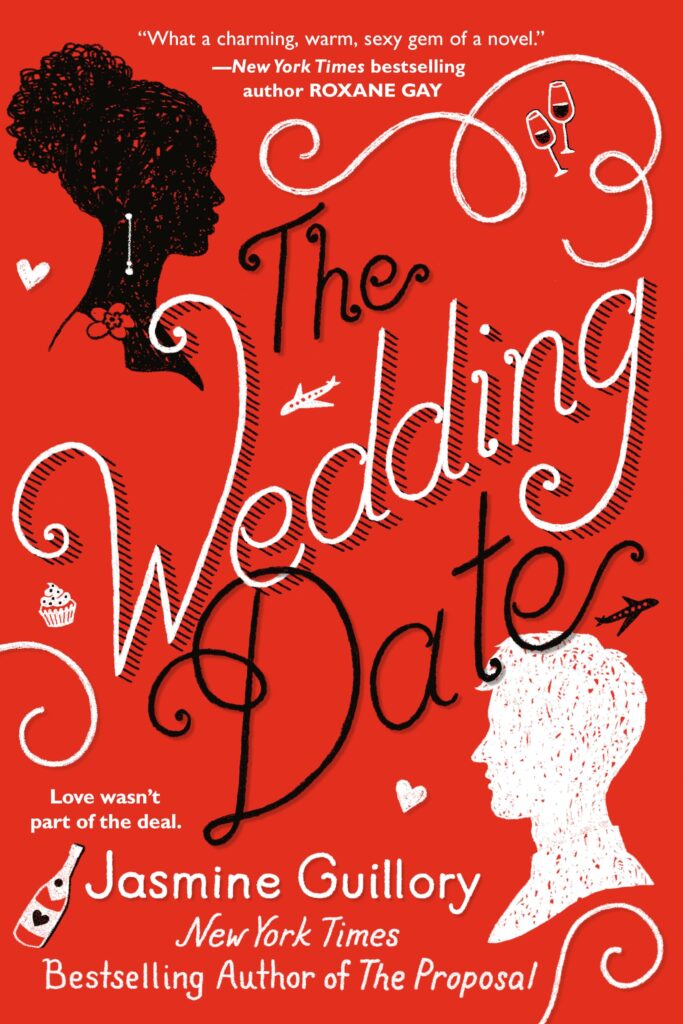
Book 1: The Wedding Date
- Author: Jasmine Guillory
- Genre: Contemporary Romance
Why I Picked It Up
The Wedding Date actually came during our first wedding planning meeting. We were basically teasing the bride about her obsessed ex who’s going to freak out about the wedding. Nothing to be worried about, he’s a moron who can’t accept that she not only said no to him and started dating a Kenyan Arab. Basically, our girl levelled up and xenophobic, misogynists can’t deal with it. There’s a lot I can say about that but we’re doing a book review right now. Anyway, the conversation then drifted to exes and this book got thrown around. One of the bridesmaids loves the plot (and wants it to happen to her). Since a lot of us hadn’t heard about it so naturally, I wanted to read this.
Summary
Alexa Monroe, is stranded in a broken elevator at a San Francisco hotel when she meets Drew Nichols, a pediatric surgeon. Drew is attending his ex-girlfriend’s wedding as a groomsman and is suddenly minus a plus one. Alexa, charmed despite herself, agrees to be his fake date for the weekend. They have a better time than either expected—Drew is genuinely funny and attentive, Alexa is sharp and confident, and the chemistry is undeniable. But after the wedding weekend ends, suddenly a fun fake-dating situation becomes a complicated long-distance almost-relationship that neither of them quite knows how to navigate.
What I Liked
Alexa is a genuinely likeable protagonist. She’s confident, ambitious, professionally accomplished, and comfortable in her own skin. She doesn’t spend the novel agonising over her appearance or waiting to be rescued, which I appreciated enormously. The chemistry between Alexa and Drew is warm and believable. Guillory builds their connection through genuinely funny, easy banter rather than manufactured drama, and it works.
The book handles race thoughtfully without making it the entire plot. Alexa is a Black woman, Drew is white, and their interracial relationship and the occasional racism they encounter is treated naturally and honestly rather than being ignored or sensationalised. It’s genuinely fun. This is proper comfort reading—breezy, charming, and easy to devour in one sitting.
The long-distance element adds real-world tension without resorting to contrived misunderstandings. The central conflict is genuinely relatable: two people who like each other very much but whose lives don’t easily fit together.
Downsides
The plot is extremely thin. The fake-dating conceit lasts only a weekend, and after that the book is essentially just a slow burn long-distance romance without a great deal of momentum. Some of the conflict feels manufactured. There are moments where miscommunication drives the story forward in ways that felt slightly contrived—the kind of tension that could be resolved with a single honest conversation.
The secondary characters are underdeveloped. Drew’s friends and Alexa’s colleagues exist mainly as sounding boards rather than people in their own right. The writing is functional but not particularly distinctive. Guillory’s prose gets the job done without ever being especially beautiful or memorable.
Final Thoughts & Who Should Read It
Perfect for fans of light contemporary romance, readers who loved The Hating Game or Beach Read, or anyone looking for a fun, breezy fake-dating story with a genuinely likeable Black heroine.
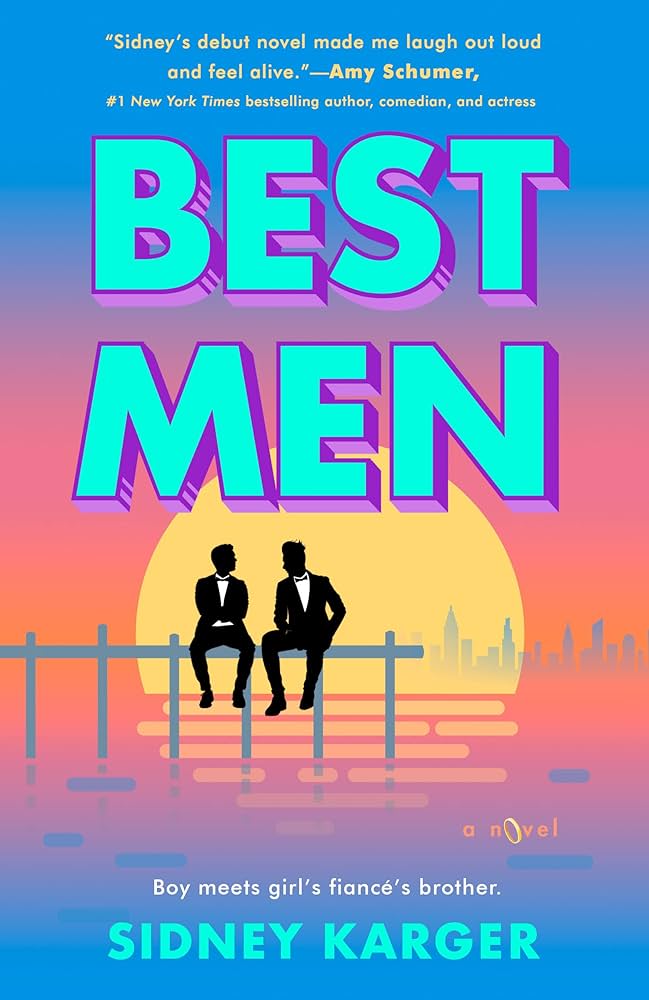
Book 2: Best Men
- Author: Sidney Karger
- Genre: LGBTQ+ Romance
Why I Picked It Up
This is another book that came up during our wedding planning shenanigans. One of the bridesmaids recommended this one specifically because of the wedding setting. Red, White and Royal Blue also came up but I’ve read that already. So, when I looked up Best Men and saw the blurbs—Anderson Cooper, Amy Schumer, Molly Shannon all raving about it—I was curious.
Summary
Max Moody has his life more or less figured out in New York City, and is trying to move on from his ex-boyfriend Greg. Then Paige drops a bombshell: she’s engaged to her wealthy boyfriend Austin and wants Max to be her man of honour. Max is thrilled for her but slightly blindsided by the news. At the first wedding event, he discovers that Austin’s brother Chasten Benchley—a guy Max had a disastrous one-night stand with—is the other best man. As the wedding festivities pile up, Max and Chasten are forced to work together, clash constantly, and slowly, reluctantly begin to realise that their obvious chemistry might be more than just irritation.
What I Liked
Karger’s screenwriting background shows immediately in this book. The dialogue is sharp, punchy, and full of dry wit. Max’s internal monologue made me laugh out loud more than once. The opposites-attract dynamic between Max and Chasten works well. Their tension is believable and their eventual softening toward each other feels earned rather than forced.
The New York City setting is well-observed and specific without being a postcard. The city feels lived-in rather than aspirational. It’s a genuinely fresh take on the wedding rom-com. Using two best men as the central romance rather than the couple getting married gives the story a different angle and a lot of comic potential. For a debut, Karger handles the emotional beats alongside the comedy reasonably well.
Downsides
Max can be grating. He’s funny but also self-absorbed and occasionally exhausting. There are times when the romance between Max and Chasten takes a backseat to Max’s wider anxieties and friendships for long stretches. If you’re here purely for the love story, the pacing might frustrate you.
Chasten is underdeveloped compared to Max. Because the book is told entirely from Max’s perspective, Chasten sometimes feels more like a love interest than a full person. The ending is tidier than it probably should be given everything that happens. The resolution comes quickly and smoothly after a lot of complicated build-up which left me wanting more.
Final Thoughts & Who Should Read It
Perfect for fans of queer romantic comedies and those who loved Boyfriend Material by Alexis Hall or One Last Stop by Casey McQuiston.
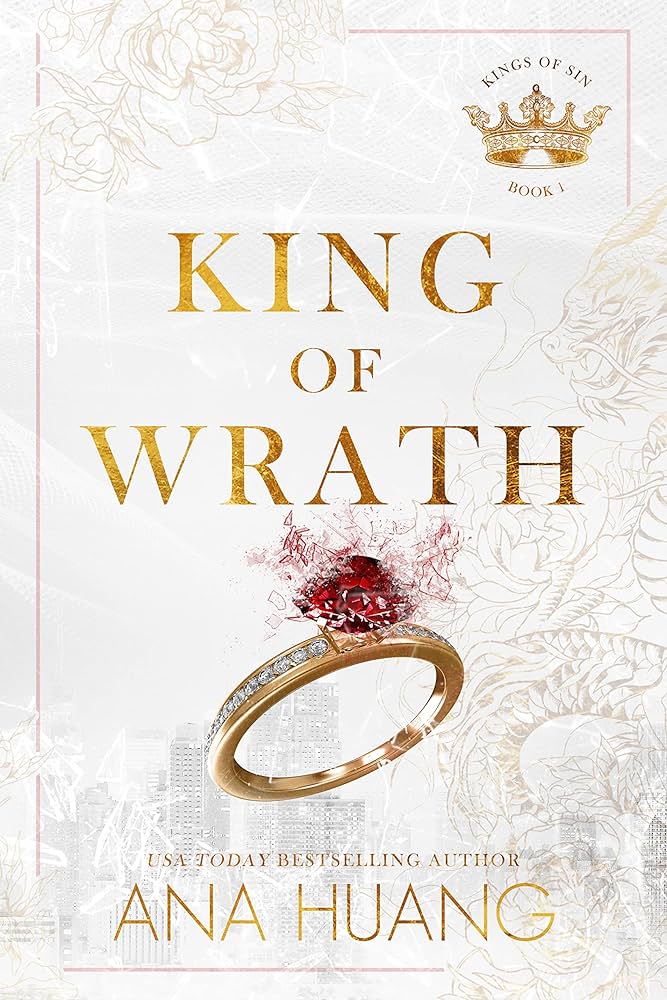
Book 3: King of Wrath
- Author: Ana Huang
- Genre: Dark Romance
Why I Picked It Up
I found this one on my own while scouring the interwebs for a dark romance to read. This craving came somewhere during a wet April day and I was hoping for something more complex than the cutesy, breezy books I’d been reading this month. What can I say? I like my life to have a dark and moody aesthetic.
Summary
Dante Russo is a ruthless, arrogant billionaire CEO who lives for control and never planned to marry. Then blackmail forces his hand: Vivian Lau’s father has information that could lead to Dante’s brother’s death, and his price is an engagement between Dante and his daughter. Vivian Lau is a jewelry heiress—elegant, ambitious, well-mannered, and determined to use the match to elevate her family into the highest echelons of society. She’s not stepping into an unfamiliar world; she knows exactly how to carry herself among the ultra-wealthy. What she didn’t plan for was Dante himself, or the fact that his cold exterior might be concealing something more complicated underneath. Dante intends to destroy both the blackmail and the betrothal. There’s only one problem: now that he has Vivian, he can’t bring himself to let her go.
What I Liked
The arranged marriage premise is executed well. Huang sidesteps the usual class-disparity cliché by making Vivian already wealthy and socially competent, which allows the conflict to come from somewhere more interesting than Cinderella dynamics. The slow burn is genuinely slow. Huang doesn’t rush the romance, and the tension between Dante and Vivian builds steadily and believably over the course of the book.
The blackmail plot gives the story stakes beyond the romance itself, which helps when you need a reason to keep reading during quieter stretches. The high-society glamour is fun. Huang clearly enjoys the aesthetic of old money, jewellery empires, and European settings, and it shows.
What I liked the most though was how well Vivian has been developed. She’s not submissive, not a pushover, and not defined entirely by her feelings for Dante. She has her own ambitions and her own sense of self. Which is refreshing in this particular trope. I tend to ignore arranged marriage because the heroine ends up just being a wallpaper most of the time. Yeah, I did say that.
Downsides
The prose is functional at best. Huang is not a stylist, and if you care about sentence-level writing this will frustrate you. The language is serviceable rather than beautiful. Another issue I found was that Dante is a type, not a character. The cold, ruthless billionaire who is secretly wounded and soft underneath is one of the most overused archetypes in romance, and Huang doesn’t add anything particularly fresh to it.
Some of the emotional depth the book reaches for doesn’t quite land because we don’t spend enough time in the characters’ minds before they’re resolving their issues. The ending is predictable from chapter one. You always know where this is going; the question is just how steamy the journey will be.
Final Thoughts & Who Should Read It
Perfect for fans of Ana Huang’s Twisted series, readers who love arranged marriage and enemies-to-lovers billionaire romance, or anyone on BookTok who wants a steamy, addictive slow burn with a strong heroine and a cold hero.
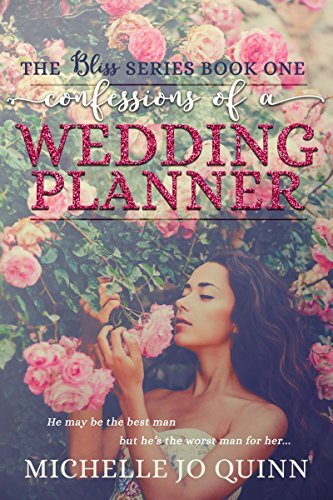
Book 4: Confessions of a Wedding Planner
- Author: Michelle Jo Quinn
- Genre: Contemporary Romance
Why I Picked It Up
This one actually came up during one of our bridal shower planning sessions. I’d low-key taken the role of the planner for the event, coordinating with the yacht people (it’s on a yacht, folks. I repeat, the bridal shower is on a yacht) and all. It seemed like a fun read and it’s an older book, readily available on Kindle so I just had to read it.
Summary
Veronica Soto-Stewart is a wedding planner who believes everyone deserves a fairy-tale wedding. Even, apparently, her ex-boyfriend Jake, who broke up with her only three months ago and is now engaged to Sandrine, a charming French woman. Unable to turn them down, Nica agrees to plan the wedding in just one month—with a massive guest list, no venue booked, and every logistical nightmare imaginable. Complicating everything is Levi Laurent, the best man—rich, charismatic, irresistible, and doing everything in his power to get Nica to notice him. Nica wants nothing to do with him but Levi is not to be deterred.
What I Liked
The chapter structure is genuinely clever. Organising each chapter around a different wedding planning element gives the story a natural rhythm and keeps things moving without feeling repetitive. Quinn’s descriptive writing puts you convincingly in San Francisco and Paris—you can feel the atmosphere of both places.
Sandrine, the bride, is a pleasant surprise. She could easily have been a villain, but Quinn makes her genuinely lovely, which adds a layer of complexity to Nica’s emotional situation. It’s a light, easy, feel-good read.
The main love interest, Levi, is charming in a straightforward way. He’s not particularly original as a love interest, but he;s likeable and his persistence is more sweet than overbearing. For a self-published romance, the prose is clean and readable without feeling amateurish.
Downsides
Nica is a bit melodramatic. She treats a six-month relationship as the great lost love of her life, which is hard to fully invest in. Her obsessive tendencies, while realistic for a wedding planner, is occasionally grating. The plot itself is extremely predictable. Everything from Nica resisting Levi to the slow realisation and the inevitable complication is exactly how you’d expect it to be.
There’s never a real sense that anything could go wrong in a way that would genuinely hurt you. I will say one thing though—the title promises more wit and self-awareness than the book delivers.
Final Thoughts & Who Should Read It
Perfect for fans of light, feel-good contemporary romance, readers who enjoyed The Wedding Date or The Unhoneymooners, or anyone who wants a quick, charming, low-stakes love story.
Book 5: The Truth About Forever
- Author: Sarah Dessen
- Genre: Contemporary Romance
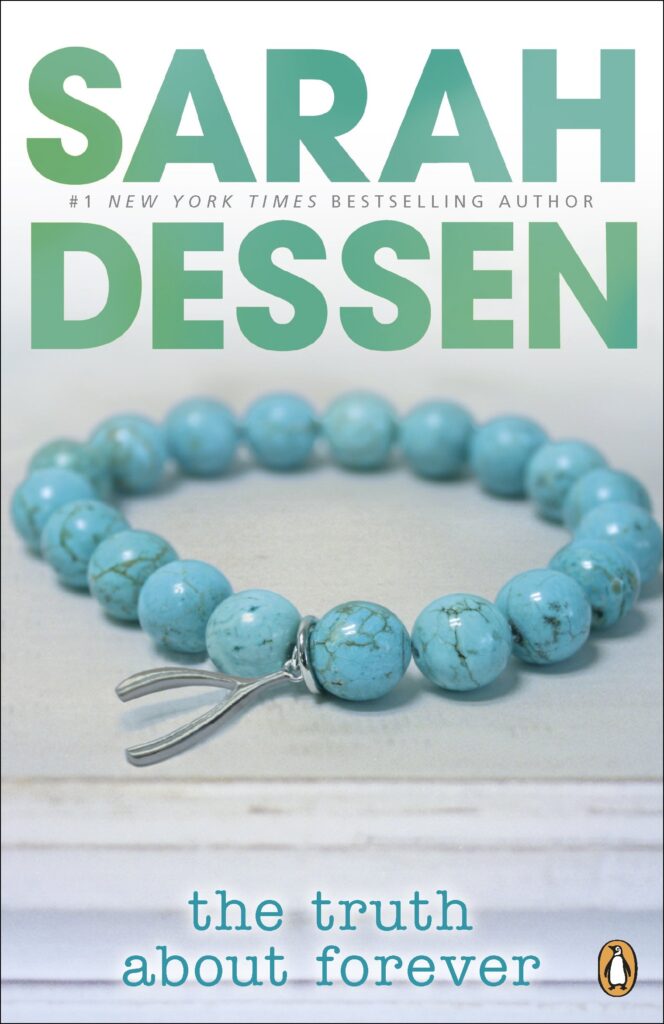
Why I Picked It Up
Okay, I’ll be honest: I haven’t read Sarah Dessen growing up. She’s one of those YA authors who dominated the 2000s and early 2010s and somehow I missed her entirely. So when one of the bridesmaids brought this one up, I had to give it a shot.
Summary
Sixteen-year-old Macy Queen has her summer mapped out: a dull library job, SAT prep, and quiet grief alongside her mother over the sudden death of her father. Her boyfriend Jason has gone away to Brain Camp. Everything is controlled, contained, and fine. Then a last-minute mix-up lands Macy a job with Wish Catering. There, she also meets Wes: an artist with a complicated past, a talent for the game of Truth, and an ability to see Macy more clearly than she sees herself. As the summer unfolds and Macy slowly lets go of her iron grip on perfection, she begins to realise that some of the best things in life are the ones you didn’t plan for.
What I Liked
I’m actually that angsty teenage me missed this book. Dessen handles grief with remarkable authenticity. The loss of Macy’s father isn’t played for dramatic effect. It’s woven into every interaction, her rigid perfectionism, and her terror of anything going wrong. My manuscript also has a protagonist dealing with loss so this ended up becoming research for my own book and I do so love doing that.
The Wish Catering crew are an absolute delight. Delia and her team are warm, funny, and chaotic in the best way, and every scene with them crackles with life. They feel like real, specific people rather than quirky-supporting-cast archetypes.
Dessen balances comedy and heartbreak with real skill. The book is funny and warm and then suddenly devastating, and the tonal shifts never feel jarring. Macy’s arc is genuinely moving. Watching her learn that imperfection isn’t catastrophic, that chaos can be survived—even embraced—feels earned rather than prescribed. Jason, the absent boyfriend, is handled well. He’s not a villain; he’s just someone whose version of “fine” matches Macy’s performed self rather than her real one.
Downsides
This is firmly YA, and if you’re not in the mood for a teenage protagonist navigating high school social dynamics, that will limit your enjoyment. The ending is perhaps slightly too neat—every thread tied up a little too cleanly, including Macy’s relationship with her mother, which deserved more complexity.
Wes is close to perfect in a way that occasionally strains believability. He is almost too perceptive, too patient, too artistically talented for a teenager. The secondary characters, as lovely as they are, don’t get much depth beyond their roles in Macy’s story.
Final Thoughts & Who Should Read It
Perfect for fans of coming-of-age YA with emotional depth,and readers who loved Anna and the French Kiss or Since You’ve Been Gone.
Book 6: Pride and Prejudice
- Author: Jane Austen
- Genre: Classic
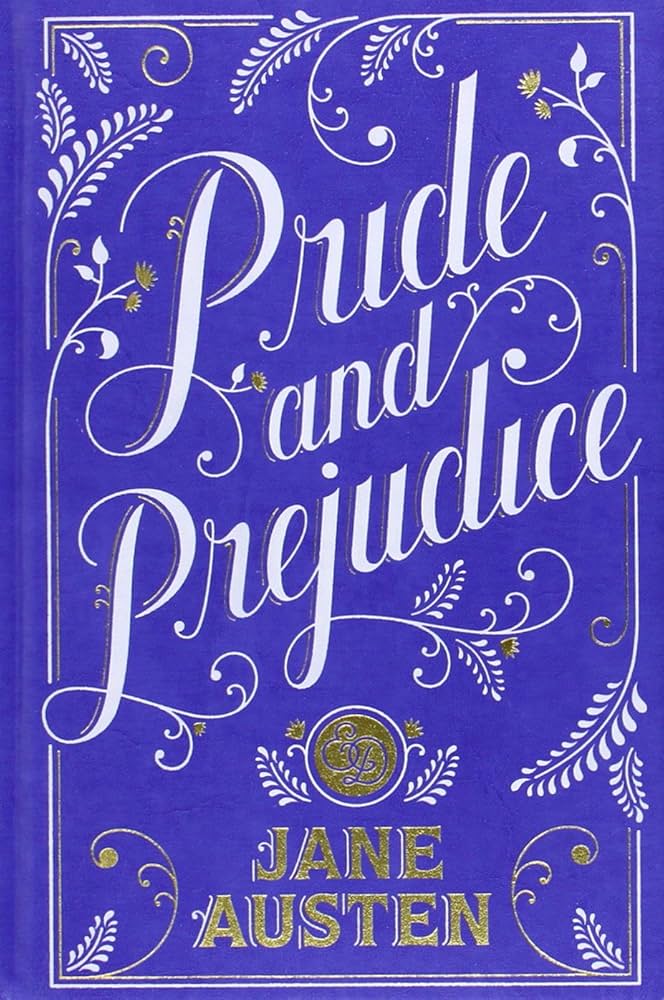
Why I Picked It Up
Okay, so this is the first re-read of the year but this one’s a classic. The bride to be’s obsessed with regency era and period romances and part of the aesthetic of the bridal shower is garden parties, the likes of which you can see on Bridgerton. But adapted for a yacht, of course. Naturally, I found myself turning to Pride and Prejudice to get the vibes right.
Summary
The Bennet family has five daughters and a mother who has made it her life’s mission to see them all married. When wealthy Mr Bingley arrives in the neighbourhood with his even wealthier and considerably more aloof friend Mr Darcy, the social machinery of the English countryside begins to turn. Elizabeth Bennet takes an immediate dislike to Darcy’s arrogance. Darcy, despite himself, finds Elizabeth entirely captivating. What follows is one of literature’s most satisfying dances of pride, prejudice, misunderstanding, and gradual, reluctant mutual recognition.
What I Liked
I feel like I’ve already gushed about Austen at multiple occasions throughout my writing guides but it had been a few years since I’d read Pride and Prejudice. Which is why I was kind of surprised at how funny Austen’s prose is. It’s not comedic per say, more wicked, bordering (and sometimes downright) scandalous. The opening line alone of the story itself is a masterclass in irony, and that tone carries through every page without ever becoming tiresome.
Elizabeth Bennet is one of the great literary heroines for a reason. She’s flawed—her prejudice blinds her, her confidence sometimes tips into arrogance—but she’s never passive, never waiting to be saved, never defined entirely by her feelings for Darcy.
Mr. Darcy’s arc is just chef’s kiss perfection. The shift from insufferable to genuinely admirable is earned slowly and convincingly, and crucially, he changes because Elizabeth calls him out directly rather than through love alone. He is held accountable. I appreciate this enormously, given the state of our “alpha males” these days.
Austen’s social commentary is razor-sharp and quite relevant? I’m kind of confused on how much I found the society in this story to be relatable. I never related to that before but my parents are trying to get me married so it could be that. Anyway, the entire novel is a dissection of how patriarchal inheritance laws and the marriage market reduce women to economic commodities. It wasn’t dated at all.
There’s a reason this is a classic and I do so appreciate it.
Downsides
The pacing is slow by modern standards. The novel moves through drawing rooms and country walks and letters at a deliberate pace that requires patience if you’re used to contemporary fiction. The plot is structurally thin. Very little actually happens in terms of events—most of the drama is interior, social, and epistolary. If you need momentum this will test you but this is the thing about classics: they’re kind of legendary for their writing alone so I don’t think there should be a lot of complaints here.
Some of the social context requires background knowledge to fully appreciate. Readers unfamiliar with the specifics of the entail system, the realities of women’s economic dependence in Regency England, or the significance of certain social transgressions may miss layers of meaning.
Final Thoughts & Who Should Read It
Perfect for fans of Kristin Hannah’s previous work (The Nightingale, The Four Winds), readers who love emotional historical fiction, or CNBC liberals.
Book 7: Victoria and the Rogue
- Author: Meg Cabot
- Genre: Historical Romance
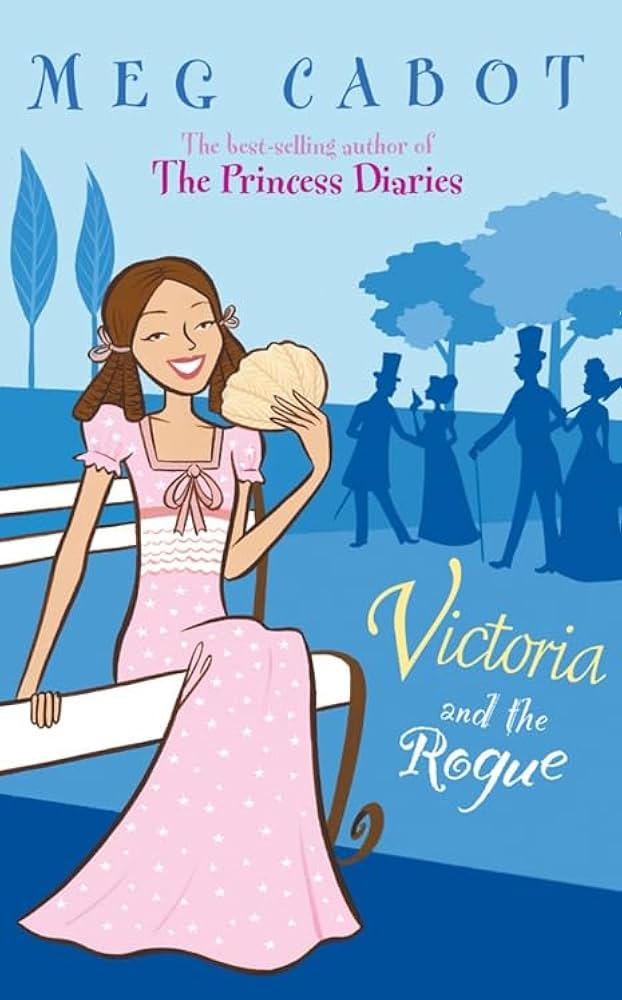
Why I Picked It Up
I actually read Victoria and the Rogue back when I was in my Princess Diaries era in my early teens. I remembered liking it a lot and wondering why Meg Cabot had not written more of these stories. She’s only written two historical romances to my knowledge and I was kind of bummed about it. So, naturally after the majesty of Pride and Prejudice, I was officially in my historical romance phase for the month.
Summary
Lady Victoria Arbuthnot has grown up in India, raised by her three army officer uncles after her parents’ deaths, and is accustomed to doing exactly as she pleases. At sixteen, her uncles decide it’s time to ship her off to London to find a suitable husband. Vicky, ever efficient, solves this problem before she even sets foot on British soil—on the sea voyage to England, she meets Hugo Rothschild, the handsome ninth Earl of Malfrey, and promptly decides he’ll do nicely. The only problem is Jacob Carstairs, a raffish young ship captain who keeps interfering and insisting that Lord Malfrey is not what he seems. Vicky finds Jacob’s meddling infuriating. Jacob finds Vicky exasperating. They are both, obviously, completely wrong about each other—and about everything else.
What I Liked
As I’ve mentioned before, I grew up all over the place: the middle east, Africa, far east Asia—and I’m pretty used to being a third culture person wherever I am. Even here in Turkey, I don’t really relate to Turkish culture or the diaspora of my home country. However, what I do relate to is the English working class because both my father and grandfather ran a tight, heavily anglicised ship; I’m talking BBC channels on all the damn time, my own education is extremely British—my dad made sure we went to private British schools—my high school is a British missionary school, still under the Church of England, over a hundred years older than my home country.
So, growing up I’d weirdly find myself relating to British culture a lot. Even here in Istanbul, my closest friend is English. But in spite of that, there are a lot of random personality traits I have that wouldn’t be considered English or even British because…well, I grew up third culture. I think it’s because of this that as a child, I loved this story and honestly, this stuff hit close to home given the state of the world and cultural attitudes right now as well.
I really, really related to Vicky and I think that’s why I find the story so compelling. I’m biased here.
Downsides
Honestly, I don’t like the fact that this was written for young adults and that it’s pretty short. Like the book itself was pretty thin—I’ve been trying to get my mother to send me a picture of this book but apparently, it’s in the attic and god forbid my brother go up there to grab stuff for me. Because of its length, readers who want a more fully developed world or more time with the characters will find it underdeveloped. I didn’t find it to be this—but Vicky is my spirit animal and the premise is so, so good for me so I could be projecting here.
By modern standards, some of the Regency social dynamics around a sixteen-year-old being shipped off to find a husband are uncomfortable, though Cabot handles them with enough lightness that it doesn’t dominate. This is firmly a comfort read rather than a challenging one. If you want moral complexity or thematic depth, look elsewhere.
Final Thoughts & Who Should Read It
Perfect for fans of Meg Cabot’s Princess Diaries, readers who loved Georgette Heyer’s lighter Regency comedies, or anyone who wants a quick, witty historical romance.
Book 8: A Lady’s Guide to Fortune-Hunting
- Author: Sophie Irwin
- Genre: Historical Romance
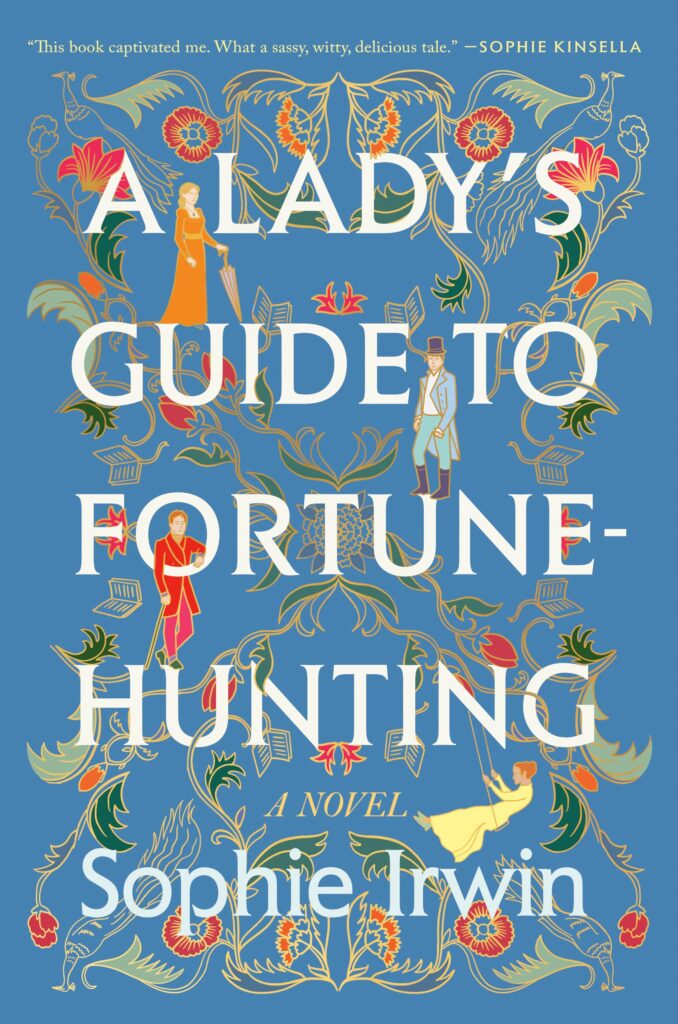
Why I Picked It Up
This one was recommended by one of the bridesmaids and the reason I picked it is because Taylor Jenkins Reid called it a sharp, modern, absolutely delicious take on the marriage plot. I like her books so I just had to read this one.
Summary
Kitty Talbot has a problem. Her family’s finances are in ruins, her father is dead, her mother is useless, and she has four younger sisters depending on her. Her solution is practical, efficient, and entirely scandalous: she will go to London for the Season and marry a rich man. Not for love—for money. Armed with wit, determination, and absolutely no shame about her motives, she sets her sights on the charming, wealthy Lord Radcliffe’s younger brother—a straightforward target. The only obstacle is Lord Radcliffe himself, who sees through Kitty immediately and is determined to protect his brother from her machinations.
What I Liked
Kitty is a genuinely original Regency heroine. The marriage market has always been transactional, and Kitty is simply honest about the transaction in a way that most Regency heroines are not allowed to be. She’s not scheming in a villainous way either. She’s scheming in a completely logical, desperate way, and Irwin never lets you forget the genuine economic stakes driving her.
The premise is a brilliant inversion of the usual Regency setup. Instead of a heroine reluctantly navigating the marriage market for love while pretending otherwise, Kitty is navigating it ruthlessly for money while everyone else pretends otherwise. The irony is delicious.
The banter between Kitty and Radcliffe is sharp and genuinely funny. Irwin has a gift for dialogue that crackles without feeling anachronistic.
The social commentary is astute. Irwin examines the marriage market with a clear-eyed, modern sensibility without sacrificing the period atmosphere or becoming preachy.
The pacing is excellent.
Downsides
The romance between Kitty and Radcliffe is somewhat underdeveloped emotionally. Irwin approaches their feelings from a reserved, restrained angle—which is period-appropriate but occasionally leaves you wanting more heat, more interiority, more of the actual falling.
Radcliffe is a slightly thinner character than Kitty. He’s the sardonic lord archetype done well, but Kitty so thoroughly dominates the novel that he occasionally feels like a foil rather than a full person.
Some readers expecting Bridgerton-level passion will be disappointed. This is witty and warm but not particularly steamy—closer to Austen than Julia Quinn in terms of heat level. The younger sisters and family members are underdeveloped, which matters because Kitty’s entire motivation is saving them. You want to care more about what she’s fighting for.
Final Thoughts & Who Should Read It
Perfect for fans of Jane Austen, Georgette Heyer, or the Bridgerton series, and readers who loved The Hating Game but want it set in 1815.
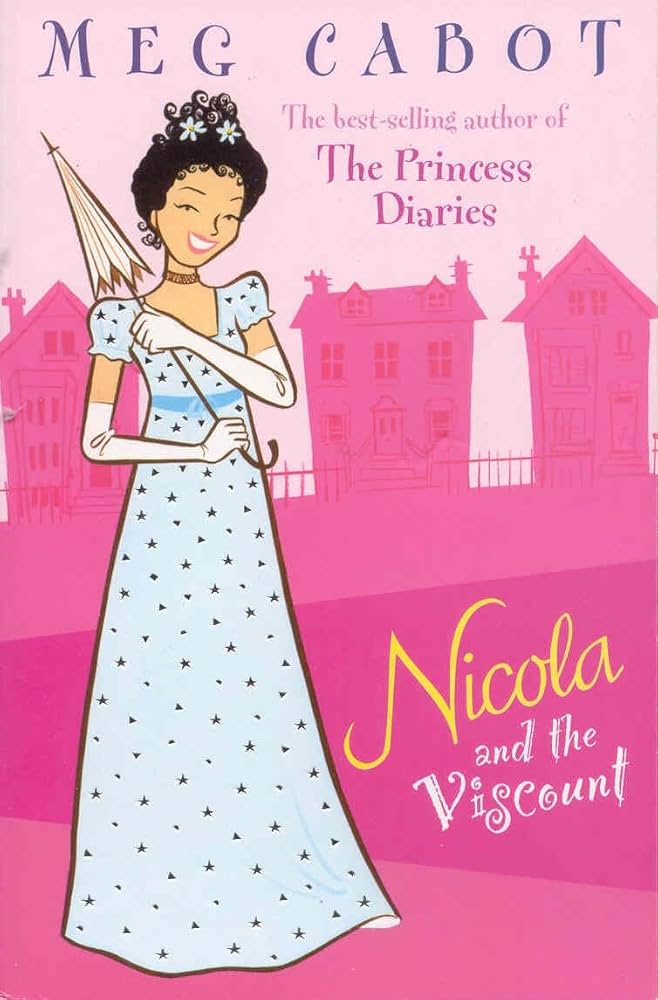
Book 9: Nicola and the Viscount
- Author: Meg Cabot
- Genre: Historical Romance
Why I Picked It Up
Once I’d reread Victoria and the Rogue, it felt criminal not to continue with its companion novel even though I’d read this before too. Nicola and the Viscount was published the same year (2002) as part of Cabot’s Avon True Romance series, and the two books share a Regency setting, a similarly headstrong teenage heroine, and Cabot’s trademark breezy wit.
Summary
Sixteen-year-old Nicola Sparks is an orphan with one meaningful inheritance from her late father: Beckwell Abbey, an estate ten miles from Killingworth that everyone considers practically worthless. Having just finished school, Nicola dives into her first London Season with one goal firmly in mind—she is going to marry Lord Sebastian Bartholomew, the handsome, golden-haired viscount she has been in love with from afar and has crowned her personal god. The engagement materialises almost immediately. The problem is Nathaniel Sheridan—Nicola’s best friend Eleanor’s annoyingly perceptive older brother—who keeps insinuating that Lord Sebastian’s interest in Nicola has rather more to do with Beckwell Abbey than with Nicola herself.
What I Liked
Nicola is a wonderfully Cabot heroine—enthusiastic, impulsive, convinced of her own rightness, and completely endearing even when she’s being ridiculous. She has a lot of Mia Thermopolis’s energy transported into 1810, which is enormously fun.
The mystery around Lord Sebastian’s motives is neatly constructed. The revelation that he wants Beckwell Abbey rather than Nicola gives the plot actual stakes beyond the romance, and it lands well.
Nathaniel is exactly the right love interest for Nicola—grounded where she’s impulsive, perceptive where she’s wilfully blind, steady where she’s chaotic. Their dynamic is warm and genuinely charming.
Cabot’s pacing is, as always, excellent. This book moves quickly and never overstays its welcome. The Regency setting is lightly but effectively drawn. Cabot isn’t writing historical fiction in the deeply researched sense, but the period feels convincing enough to carry the story.
Downsides
It is extremely predictable. From the moment Nathaniel appears, the outcome is obvious, and there’s very little attempt at misdirection. Nicola is vivid but the supporting cast—Eleanor, Lord Sebastian, even Nathaniel—don’t get much depth beyond their functions in the plot.
Nicola’s infatuation with Lord Sebastian strains credibility slightly. She has practically no actual conversations with him, yet she’s convinced he’s the love of her life. Even for a sixteen-year-old, the leap is large.
Final Thoughts & Who Should Read It
Perfect for fans of Victoria and the Rogue and readers who grew up with The Princess Diaries and want Mia Thermopolis transported to Regency London.
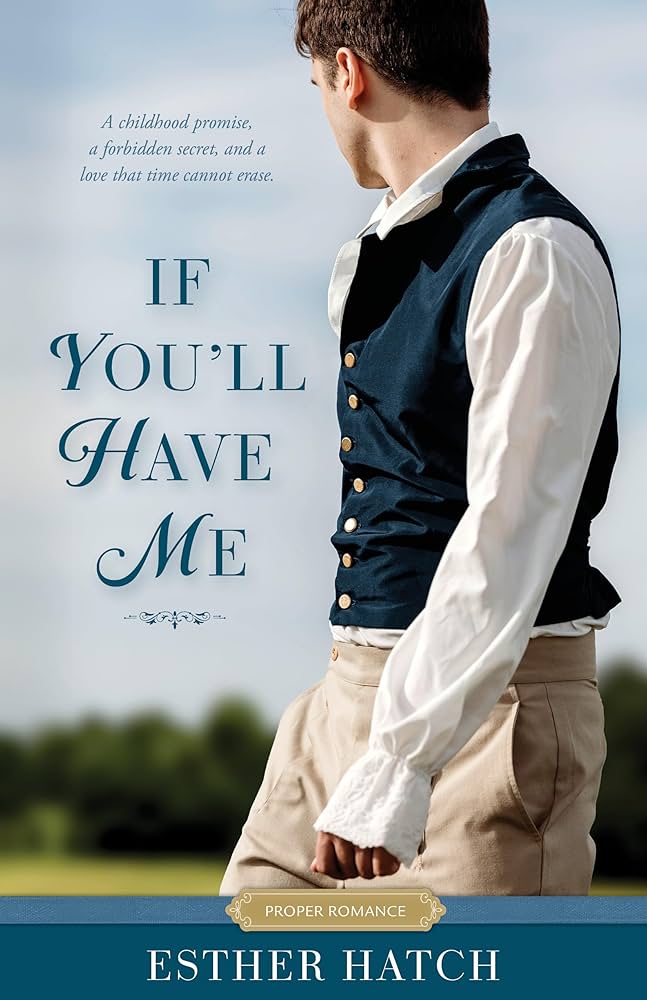
Book 10: If You’ll Have Me
- Author: Esther Hatch
- Genre: Historical Romance
Why I Picked It Up
So, a lot of us bridesmaids are in our mid to late twenties and while talking about the wedding and relationships, there did end up being two factions: married/committed people and single people—which I’m a part of even though both of my sisters fall into the other camp. We ended up venting about dating and the red pill BS about older women, and it’s during one of these conversations that If You’ll Have Me came up. You’ll find out why I got curious in a moment.
Summary
Anna Atwood returns to the small town of Breckenridge as a penniless spinster, hoping to build a quiet, independent life after her father’s death. She also needs to escape Mr. Green, a persistent and threatening suitor whose intentions are anything but romantic. When she runs into David Tate—the boy she once knew from a blissful summer in Breckenridge, now grown into a confident, prosperous man—the reunion is unexpectedly warm.
But David has his own troubles: the menacing Lord Murphy has a relentless hold over both the town and David’s life, threatening to destroy everything David has built. When Mr. Green arrives in Breckenridge and the situation becomes desperate, David and Anna agree to a convenient engagement that offers them both protection. As their fake arrangement deepens into something neither of them planned for, the looming dangers of Lord Murphy and Mr. Green threatens to destroy their cautiously budding happiness before it can fully take root.
What I Liked
David is an absolute delight of a hero. He is warm, patient, quietly devoted, and has clearly carried a torch for Anna for years with zero expectation of it being returned. The journal entries that head each chapter—snippets from his younger self’s writing—are genuinely moving and add a layer of emotional depth that enriches the romance considerably.
The age dynamic is handled well. Anna is older than David, which is unusual for the genre, and Hatch treats it with sensitivity rather than making it a source of melodrama.
The marriage of convenience setup is executed cleanly. The transition from fake engagement to genuine feeling is gradual and believable, built on specific moments of care and sacrifice rather than sudden declarations. The prose is gentle and emotionally precise. Hatch writes with a warmth that feels sincere rather than cloying, and the love story lands with genuine feeling.
The themes of healing and hope are woven in naturally. Both Anna and David carry wounds from their pasts—his shadowed by Lord Murphy’s cruelty, hers by financial precarity and her father’s death—and watching them cautiously choose each other anyway is quietly moving. It’s genuinely clean without feeling sanitised.
Downsides
The villains are somewhat one-dimensional. Mr. Green is menacing and Lord Murphy is cruel, but neither feels particularly fleshed out beyond their function as threats to the protagonists.
The plot is thin outside the central romance. The danger from Lord Murphy and Mr. Green provides external stakes, but the resolution of both threats comes fairly quickly and neatly once the story decides to address them.
Readers outside the Proper Romance readership or unfamiliar with clean romance conventions may find the conflict too low-stakes and the pacing too gentle. The hints at a potential series with other characters getting their own stories suggests Hatch is laying groundwork, but it occasionally distracts from the central story.
Final Thoughts & Who Should Read It
Perfect for fans of the Proper Romance series and readers who love marriage-of-convenience and friends-to-lovers historical romance with a golden retriever hero.
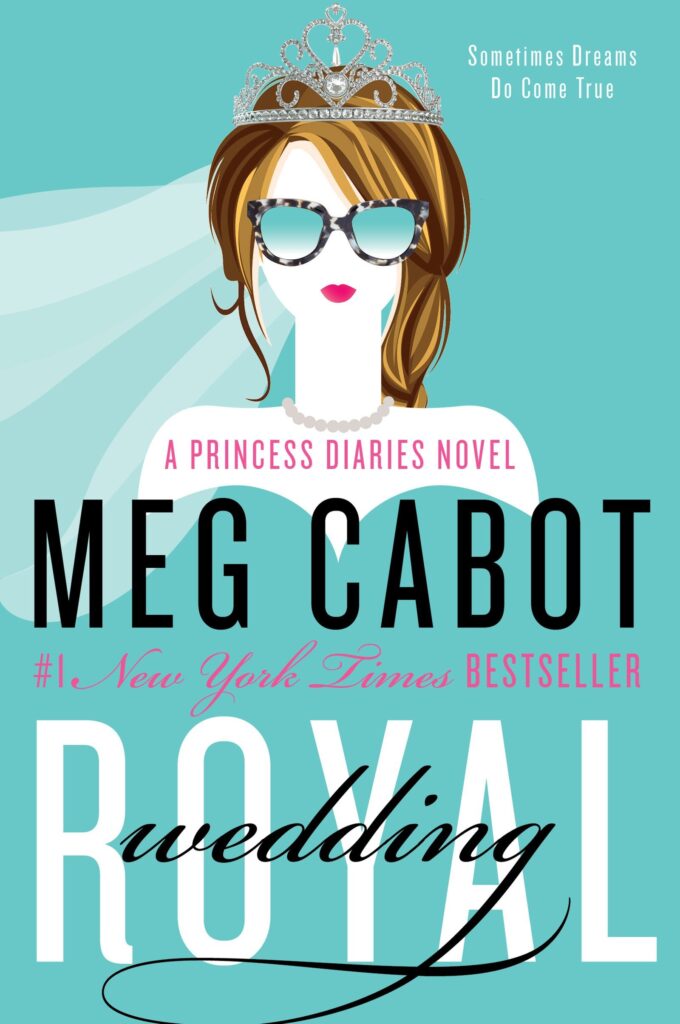
Book 11: Royal Wedding
- Author: Meg Cabot
- Genre: Contemporary Romance
Why I Picked It Up
And naturally, I had to end the month on the Royal Wedding, part of the Princess Diaries series. It made sense. I’d already read two Meg Cabot books, it’s one of my favourites, and I’ve been planning a bridal shower for a month at this point. FYI by the time this blog post goes up, I’ll be attending the bridal shower:D
Summary
Princess Mia of Genovia has been living her best adult life in New York City: running a teen community centre, madly in love with Michael Moscovitz, and attending royal engagements. Then Michael proposes during a very private Caribbean island getaway and Mia says yes immediately. Wonderful. Except: Grandmère has leaked fake wedding plans to the press, sending the tabloids into a frenzy and testing even Michael’s famous patience. A scheming politician is working to force Mia’s father from the Genovian throne by exposing a royal secret that could destabilise the entire monarchy. And in the middle of all of this, a secret from Mia’s past surfaces that she absolutely was not prepared for.
What I Liked
I feel like this story gets a lot of hate for no reason and a lot of grandstanding of Mia not being mature enough. Like, I’m so sorry that you’re soooo much mature than all of us puny twenty something year olds. Mia behaves the way any woman in her shoes (and privilege) would behave. I like her a lot. Would I be friends with her? Probably because she does tend to land in the kind of weird situations I find myself in a lot too. Some of us are just awkward and introverted outroverts like that.
The political subplot gives the story stakes beyond the romance and actually develops the Genovian worldbuilding in ways the earlier books never had space for. The secret from Mia’s past is handled with more emotional sensitivity than you might expect from what is fundamentally a very fun rom-com. I wish this was adapted as the second Princess Diaries movie even though I did like the plot they went with.
Downsides
If you haven’t read the earlier Princess Diaries books, you will be completely lost. This is absolutely not a standalone novel—it is a series finale, and it rewards ten books of investment. The political subplot, while giving the story welcome substance, occasionally drags. The scheming politician is the least interesting character in the book and his scenes slow the pace.
At 448 pages it’s longer than it needs to be. Some of the middle sections could have been tightened without losing anything meaningful. The resolution of the main secret subplot arrives fairly quickly and neatly after a lot of build-up. Not a major complaint—this is Meg Cabot, after all—but it could have used slightly more weight.
Final Thoughts & Who Should Read It
Perfect for anyone who grew up reading The Princess Diaries and needs to know Mia and Michael finally got their happy ending.
What I Read in April 2026: Summary & Favourite (and Least Favorite) Book
April was the most thematically coherent reading month I’ve ever had. Eleven books, all romances, almost all wedding-adjacent, consumed in between work, commuting and wedding planning.
My favourite this month had to be Victoria and the Rogue and yes, I’m biased but I have a special place in my heart for it. My least favourite was Confessions of a Wedding Planner, which had a clever structure but a protagonist whose melodrama over a six-month relationship made it hard to root for her.
Overall, pretty good month so far.
And that’s a wrap for April! What did you read this month? Agree or disagree with my picks? Feel free to start a debate (or recommend me your latest obsession) in the comments.


You May Also Like

Book Talk: What I Read in April

Google Search Is Changing. Here’s What Writers and Small Businesses Need to Know